The budget-friendly filler sitting on a hardware store shelf might actually be the most expensive mistake you make for your driveway this season. It's frustrating to spend a Saturday afternoon sealing gaps only to watch them split wide open after the very first Minnesota freeze-thaw cycle. You need a solution that survives the winter, but the conflicting advice about hot-pour versus cold-pour materials often leads to more confusion than clarity. This guide will explain the critical differences between various asphalt crack filling methods so you can stop the cycle of temporary fixes and prevent your pavement from turning into a series of deep, costly potholes.
We view pavement maintenance as a form of stewardship for your property. When water penetrates a small gap, it creates intense hydraulic pressure that compromises the sub-base, eventually leading to total structural failure. While many DIY cold-pour products only offer a lifespan of one to three years, professional-grade hot rubberized sealants are engineered to remain flexible for up to eight years. We'll provide a clear comparison of the latest 2026 material technologies and explain how the right choice today protects your curb appeal while helping you avoid the massive expense of a full driveway replacement tomorrow.
Key Takeaways
- Understand how professional asphalt crack filling serves as a critical structural defense by preventing water from eroding your pavement's foundation.
- Discover why hot rubberized resins are the industry standard for durability in Minnesota, outperforming the temporary liquid solutions found in retail stores.
- Evaluate the true long-term cost of DIY projects versus professional application, including the safety risks associated with specialized melting equipment.
- Learn how to identify and mitigate the specific hydraulic pressure and "Spring Thaw" dangers that lead to severe pavement failure in the Twin Cities.
- Get a practical checklist for verifying contractor specifications to ensure your investment is protected by high-quality materials and proper preparation.
What is Asphalt Crack Filling and Why is it Critical?
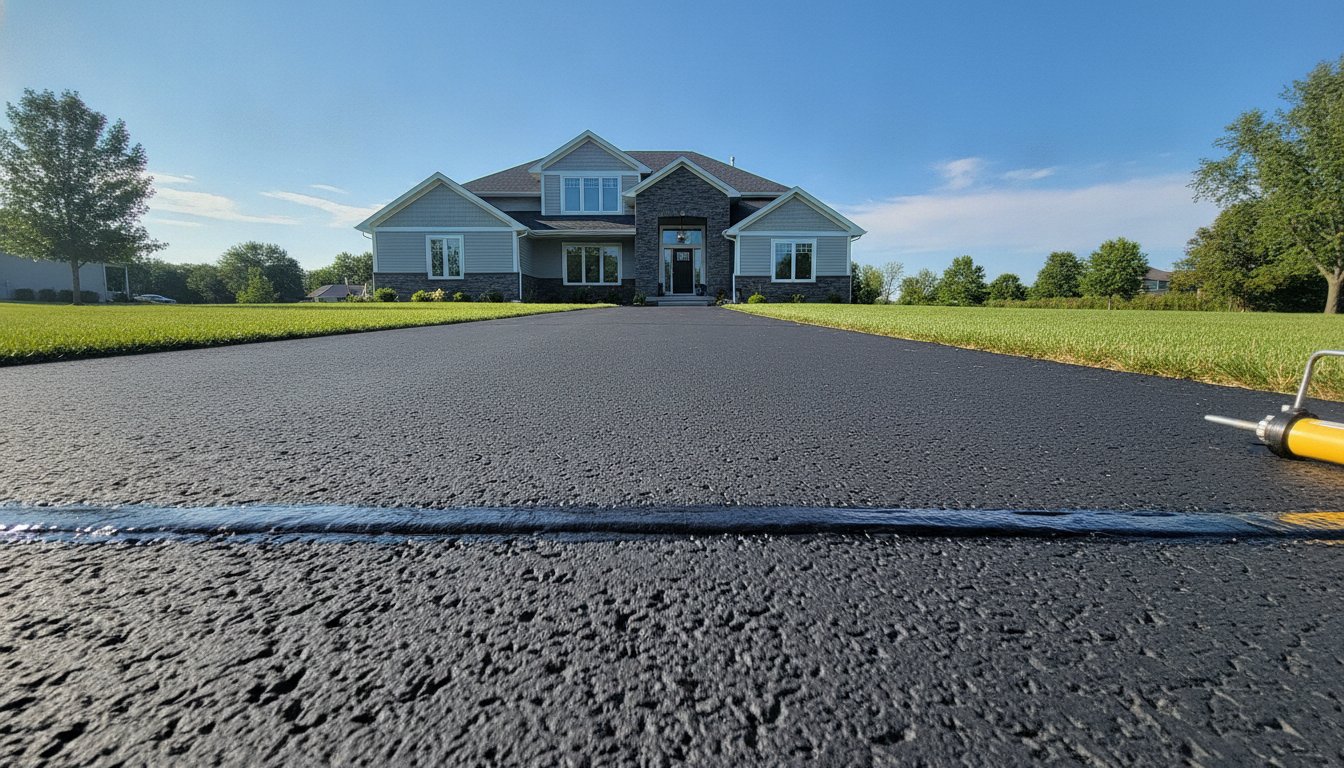
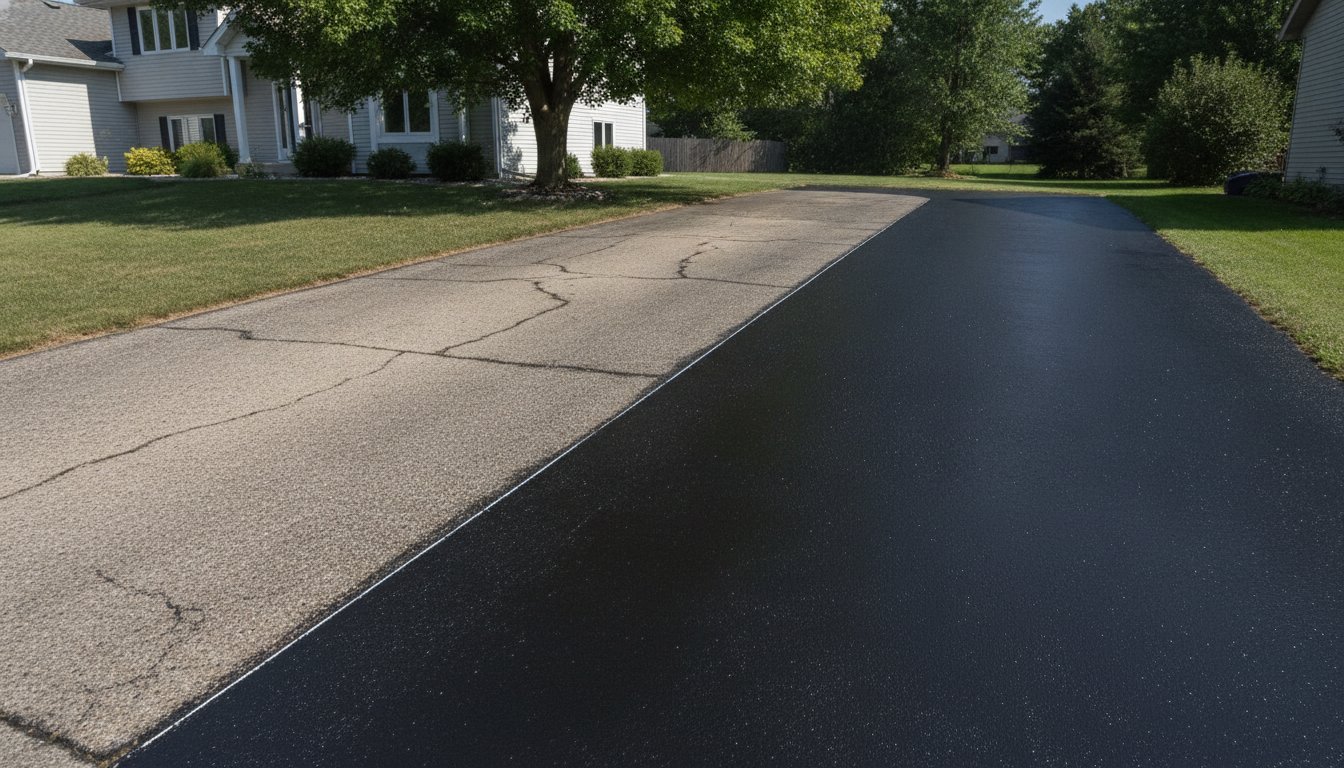
Asphalt crack filling is a technical maintenance procedure, not just a cosmetic touch-up. It involves injecting specialized, flexible polymer-modified resins into pavement voids to create an airtight and watertight seal. This process represents a proactive form of stewardship for your property investment. By sealing these openings, you prevent water from infiltrating the lower layers of asphalt concrete. Once moisture reaches the gravel sub-base, it begins a process of erosion that eventually leads to total structural failure. It's much cheaper to fill a crack today than to repave an entire driveway or parking lot in three years.
Beyond water damage, cracks invite the "Vegetation Factor." Dirt and organic debris settle into these gaps, creating a perfect environment for weeds and grass. As these plants grow, their root systems exert incredible pressure from within the pavement. They physically lift and break the asphalt from the inside out. This biological growth accelerates the breakdown of your driveway far faster than simple weather exposure. Professional asphalt crack filling stops this cycle before it starts, preserving the integrity of the surface.
The Anatomy of an Asphalt Crack
Asphalt is a flexible material designed to move. It naturally expands and contracts as Minnesota temperatures shift between seasons. However, constant exposure to UV rays leads to oxidation. This process strips away the essential oils that keep the surface pliable, making the pavement brittle and prone to breakage. Understanding the type of crack is the first step in proper care:
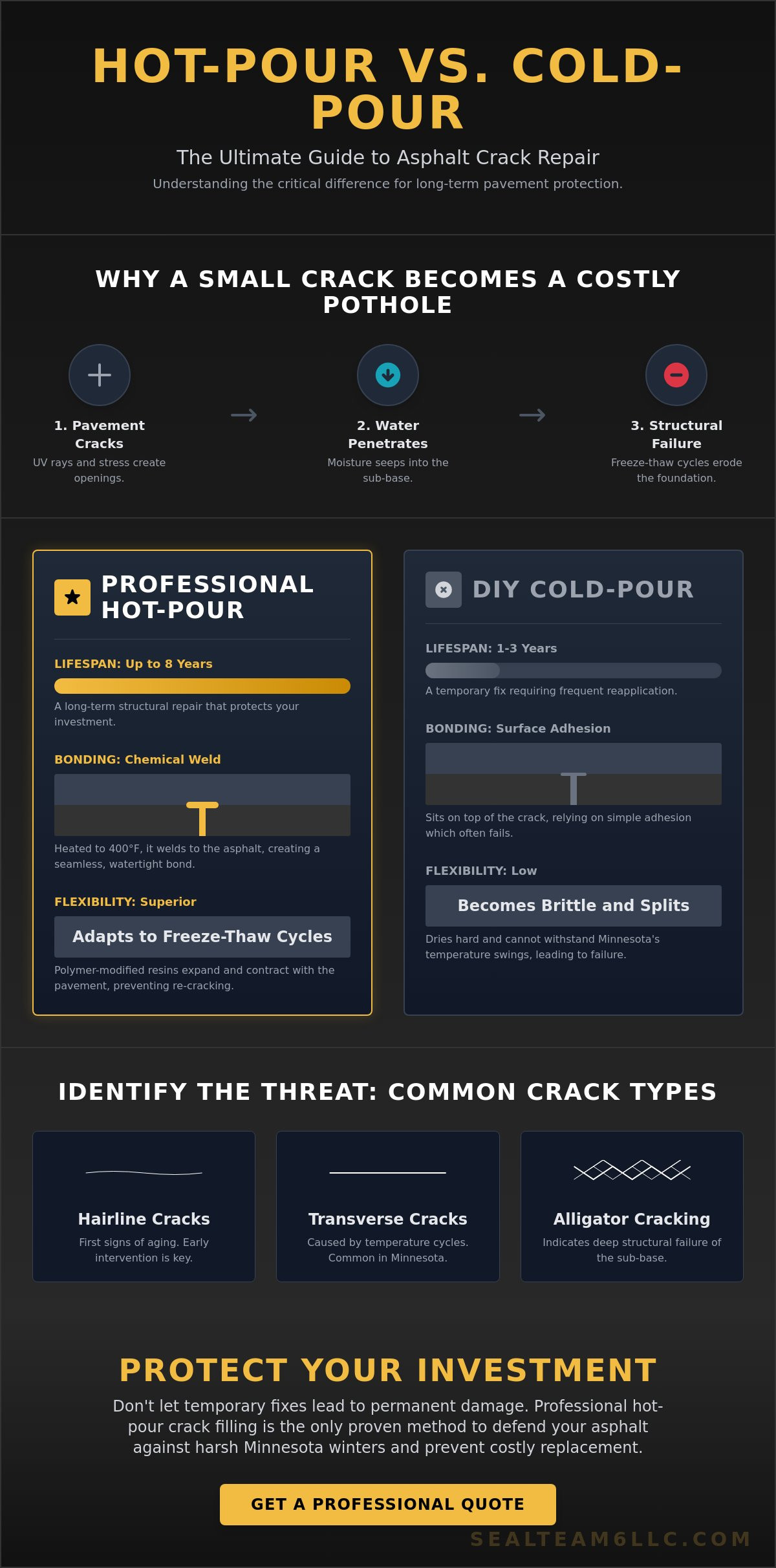
- Hairline Cracks: Small, thin openings that are often the first sign of age or stress.
- Transverse Cracks: Gaps that run perpendicular to the direction of traffic, often caused by temperature cycles.
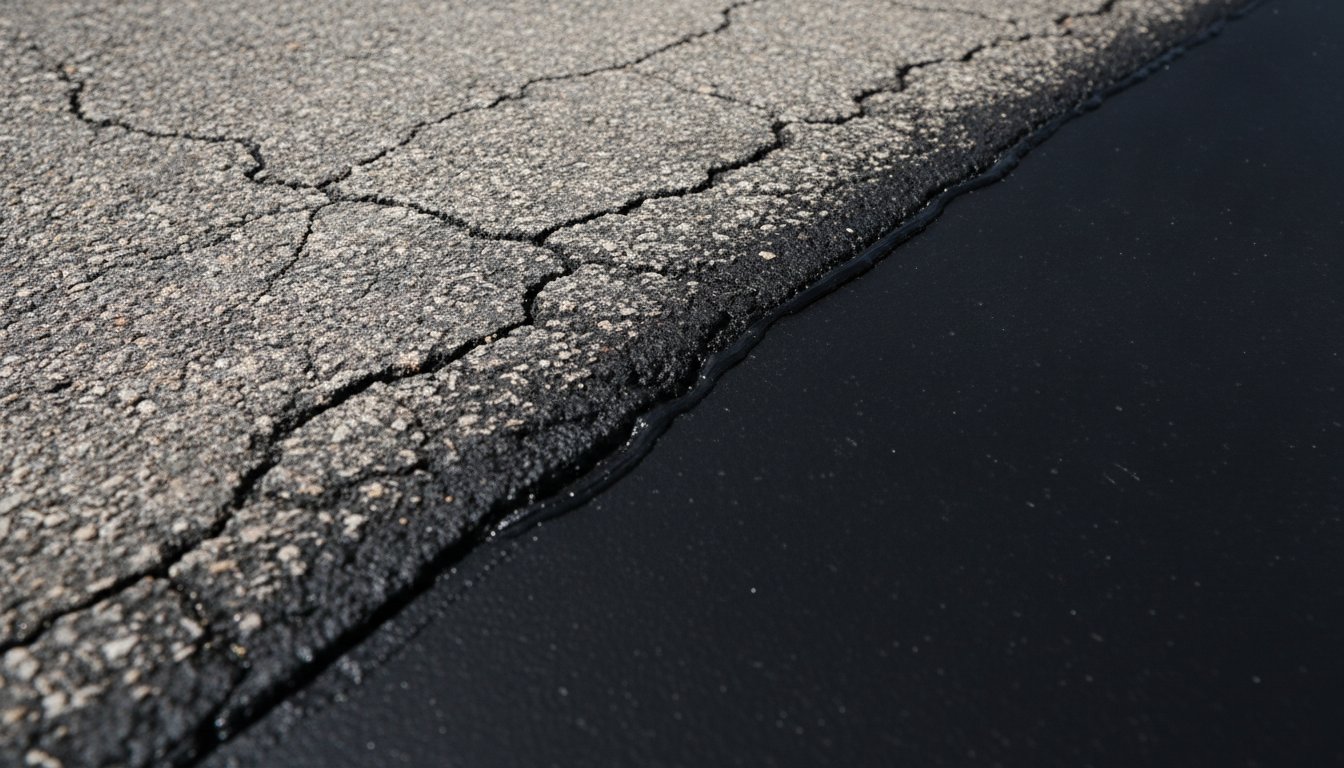
- Alligator Cracking: A series of interconnected cracks that signal deep structural failure in the sub-base.
If hairline or transverse cracks are ignored, they quickly evolve into structural "alligatoring," which looks like the scales of a reptile. At that stage, the damage is often too deep for simple filler to resolve. Identifying these issues early allows for a more affordable and effective repair.
The Relationship Between Crack Filling and Sealcoating
Think of maintenance as a layered defense system. High-quality sealcoating services minnesota property owners use must always be preceded by crack repair. If you apply a sealer over an open gap, the liquid simply drains into the void. This leaves the edges of the crack exposed to the elements and provides no structural support. When used together, these two services create a unified waterproof barrier that shields your pavement from the top down. It's essential to identify the right tool for the job; while filler works for most gaps, any crack wider than an inch or areas with crumbling edges usually require a professional patch to restore integrity.
Hot Rubberized vs. Cold Pour Crack Fillers: A Comparison
When you're standing in a home improvement aisle, the rows of liquid crack filler bottles look like an easy fix. However, there's a reason why municipal road crews and professional maintenance teams rely almost exclusively on hot rubberized materials. The choice between hot and cold application isn't just about convenience; it's about the physics of how the material behaves under stress. Effective asphalt crack filling requires a sealant that remains bonded to the pavement through extreme temperature swings without losing its grip.
Why Professionals Use Hot-Applied Sealants
Hot rubberized crack filler is a polymer-modified asphalt that must be heated to approximately 400 degrees Fahrenheit in a specialized kettle. This intense heat does more than just melt the product. It actually softens the edges of the existing asphalt, allowing the filler to "weld" itself to the crack walls. This creates a chemical bond that is far stronger than a simple surface-level coating. According to official MoDOT guidelines, using the correct treatment for "working" cracks is essential because these gaps expand and contract significantly as the seasons change. Hot-applied sealants are engineered for high elasticity. They can stretch in sub-zero temperatures without becoming brittle or snapping.
The Limitations of Cold-Pour DIY Products
Cold-pour fillers are typically liquid emulsions that cure through evaporation. As the water or solvent leaves the material, the filler naturally shrinks. This shrinkage often leaves behind new micro-gaps where water can still seep through. In a climate like Minnesota, where temperatures can drop to -20°F, these materials often lose their flexibility and turn into a hard, glass-like substance. When the pavement shifts, the cold filler doesn't stretch; it simply breaks. This leads to the "Pop-Out" effect, where the entire repair is ripped out by a snowplow blade or a heavy vehicle during the spring thaw. While cold pour might suffice for minor, non-structural cosmetic touch-ups, it rarely survives more than one or two seasons.
Understanding the performance gap is key to long-term value:
- Durability: Hot pour typically lasts 3 to 8 years. Cold pour often fails within 1 to 3 years.
- Adhesion: Hot pour creates a thermal bond. Cold pour relies on surface tension.
- Cure Time: Hot pour is ready for traffic in minutes. Cold pour can take 24 hours or longer to fully set.
If you're looking for a long-term solution that truly protects your investment, it's often better to request a professional evaluation from a team using industrial-grade equipment and materials.
DIY vs. Professional Asphalt Crack Filling: The Real Cost
The temptation to treat asphalt maintenance as a simple weekend project is understandable. When you compare the price of a few bottles of retail filler to a professional service quote, the DIY route seems like a clear winner for your budget. However, a true cost analysis must look beyond the initial receipt. Asphalt crack filling is an investment in the structural longevity of your pavement. When a repair fails after just one winter, the cost hasn't been saved; it has been doubled. Most homeowners find that retail products provide only a single season of protection, while a professional hot-pour application typically secures the surface for three to five years or longer.
There is also a significant equipment and safety gap to consider. Professional-grade materials require specialized melters that maintain a consistent temperature of 350 to 400 degrees Fahrenheit. Attempting to use rental equipment or "hot rope" DIY kits without proper training introduces serious liability risks. Handling molten rubberized asphalt on your own property can lead to severe burns or equipment fires if the material isn't managed correctly. Professionals have the protective gear and experience to manage these high-temperature materials safely, ensuring a clean application without endangering your property or personal safety.
The Professional Process: Beyond Just Pouring
Success in pavement repair is 90% preparation. While a DIY approach usually involves a quick sweep with a broom, the professional process is much more rigorous. We use mechanical cleaning tools, such as high-pressure air and wire brushes, to remove every trace of vegetation, dirt, and loose debris. If a crack isn't perfectly clean, the filler will bond to the dust instead of the asphalt. We also utilize a heat lance. This tool uses high-temperature compressed air to dry out any deep-seated moisture and pre-heat the asphalt edges. Finally, we employ a technique called overbanding. By creating a slight "T-bridge" over the crack, we ensure the edges are completely sealed against water seepage, a step that is nearly impossible to replicate with a standard pour-bottle.
Hidden Costs of DIY Failure
When a DIY filler fails, it often leaves behind a mess that complicates future repairs. If you eventually decide to hire a specialist, the failed material must be laboriously scraped out or burned away before a professional-grade sealant can be applied. This extra labor often increases the cost of the eventual professional service. More importantly, a failed fill allows water to continue its descent into the sub-grade. In the Twin Cities, this leads to rapid pothole formation as the ground heaves during the spring. The loss of curb appeal is immediate, but the long-term impact on your property value is the real hidden cost of a "cheap" fix that doesn't hold up to the elements.
The Minnesota Factor: Surviving the Twin Cities Freeze-Thaw Cycle
In Minnesota, the weather is the primary architect of pavement destruction. While sun and traffic play their parts, the freeze-thaw cycle is the most aggressive force facing your driveway or parking lot. When water enters an unsealed gap, it doesn't just sit there. As temperatures drop, that water freezes and expands by approximately 9% in volume. This expansion generates immense hydraulic pressure, acting like a mechanical wedge that physically rips the asphalt apart. Without professional asphalt crack filling, a minor hairline fracture can transform into a wide, jagged gap in a single winter season.
The "Spring Thaw" represents the highest point of risk for structural failure. As the snow melts, the water saturates the gravel sub-base beneath your pavement. This makes the foundation soft and unstable. When heavy vehicle traffic passes over these saturated areas, the asphalt flexes beyond its limit, leading to "pumping" where mud and water are forced up through the cracks. This process hollows out the support structure, creating the perfect conditions for a massive pothole. Because of these extreme shifts, pavement in Saint Paul and Minneapolis requires sealants with significantly higher elasticity than those used in warmer climates. These specialized materials must remain flexible enough to stretch during a -30°F cold snap without snapping.
Timing your maintenance is a matter of strategic defense. Fall is the high-stakes season for pavement care in the Twin Cities. Sealing gaps before the first snowfall ensures that moisture is locked out before the cycle of expansion begins. If you wait until spring, the damage is already done, and you're often looking at a more expensive repair bill.
Road Salt and Ice Melt: The Chemical Threat
Winter chemicals are a necessary part of Minnesota life, but they're incredibly hard on untreated asphalt. Road salt and liquid de-icers can penetrate deep into open cracks, where they begin to degrade the chemical bonds of the asphalt binder. This makes the edges of the crack even more brittle and prone to crumbling. Road salt lowers the freezing point of water to keep it in a liquid, destructive state longer, allowing it to seep deeper into the pavement's foundation than pure water would. Using a salt-resistant, professional-grade sealant is the only way to shield your driveway from this chemical erosion.
Protecting Commercial Parking Lots
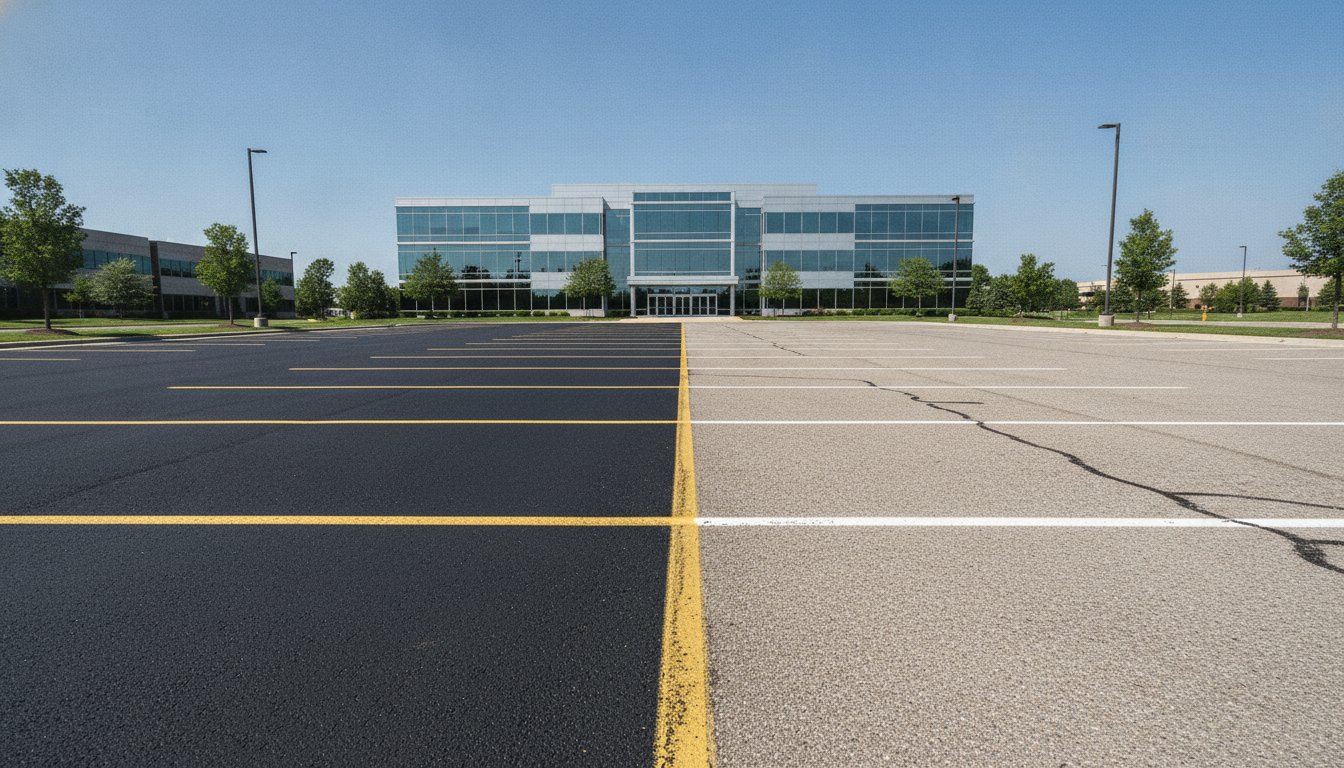
For business owners, a commercial asphalt maintenance plan is a vital tool for managing liability and long-term costs. Commercial lots face the added threat of heavy snowplows. If a crack has heaved due to ice expansion, the plow blade will catch the raised edge and rip out large chunks of asphalt. This creates immediate trip hazards and significant liability concerns for property managers. Regular inspections in the Minneapolis-Saint Paul metro allow you to catch these issues while they're still manageable repairs. To protect your property from the upcoming winter, you should schedule a professional site assessment to identify high-risk areas before the first freeze.
Choosing the Right Contractor for Your Asphalt Maintenance
Selecting a partner for your pavement maintenance is a decision that impacts the longevity of your property for years to come. In an industry where "quick fixes" are common, finding a professional who prioritizes structural preservation over speed is essential. A reliable contractor should provide a clear verification of their credentials, including up-to-date insurance and local references from the Twin Cities area. When reviewing proposals for asphalt crack filling, pay close attention to the material specifications. If a quote is significantly lower than others, it often indicates the use of inferior cold-pour products or a plan to skip the intensive cleaning steps required for a permanent bond.
Local expertise is the most valuable asset a contractor can offer. A specialist who understands Minnesota soil conditions and our specific weather patterns knows that standard methods used in warmer states will fail here. They recognize that a driveway in Minneapolis faces different stressors than one in a milder climate. This regional awareness ensures they select materials with the appropriate elasticity and adhesion properties to survive our -30°F winters. Choosing a local expert means you are hiring someone who views your pavement through the lens of long-term stewardship rather than a one-time job.
Questions to Ask Your Asphalt Specialist
Before signing a contract, it is vital to understand the "how" and "why" of a contractor's process. Use these specific questions to gauge their level of expertise and commitment to quality:
- "Do you use hot-applied rubberized sealant meeting ASTM standards?" Professional-grade sealants must meet American Society for Testing and Materials (ASTM) specifications to ensure they have the necessary flexibility for cold climates.
- "What is your crack preparation and cleaning process?" As established earlier, a sealant will only bond to a surface that is clean, dry, and free of vegetation. Ask if they use mechanical wire brushes or heat lances.
- "Do you provide a written warranty against sealant failure?" A confident specialist stands behind their work. While no filler lasts forever, a warranty protects you against premature "pop-outs" or adhesion failure during the first season.
The Seal Team LLC Difference
At Seal Team LLC, we approach every project as a diligent guardian of your property investment. We don't just offer a service; we offer a rationale based on years of experience maintaining pavement in the Twin Cities. Our commitment to using industrial-grade hot rubberized application ensures that your repairs are built to last. We believe in transparency and customer education, taking the time to explain the science behind our methods so you feel fully informed. Whether you are managing a residential driveway or a large parking lot, we are here to provide the proactive care your asphalt deserves. Contact us today for a free estimate and let us help you build a defense system for your pavement.
Securing Your Pavement for the Seasons Ahead
Maintaining your driveway or parking lot is an ongoing commitment to the value of your property. We've explored how professional-grade hot rubberized materials provide the necessary elasticity to survive the Twin Cities' extreme temperature shifts, a feat that standard retail products simply can't match. By prioritizing thorough mechanical cleaning and high-temperature application, you move beyond temporary fixes and establish a true defense system against hydraulic pressure and erosion. Proactive asphalt crack filling is the most effective way to extend the lifespan of your pavement while avoiding the disruptive costs of early structural failure.
Our team specializes in navigating the specific challenges of Minnesota’s harsh climate with professional hot rubberized application. We take pride in helping property owners understand the science of their pavement so they can make informed decisions for long-term care. Contact Seal Team LLC today for a free estimate on professional crack filling and sealcoating for your residential or commercial property. Taking these small steps today ensures your asphalt remains durable, safe, and attractive for many years to come.
Frequently Asked Questions
Is asphalt crack filling the same as crack sealing?
While people often use these terms interchangeably, they represent different maintenance goals. Crack sealing uses highly flexible materials for "working" cracks that expand and contract significantly with temperature changes. In contrast, crack filling is typically used for stationary cracks in older pavement to reduce water infiltration. For most Minnesota driveways, we use specialized rubberized materials designed to handle the heavy movement caused by our local freeze-thaw cycles.
How long does hot rubberized crack filler take to dry?
Hot rubberized crack filler sets very quickly, usually within 15 to 30 minutes. Unlike cold-pour alternatives that rely on evaporation and can take 24 hours to cure, hot-applied materials reach a solid state as soon as their temperature drops. This rapid set time allows you to resume normal use of your driveway almost immediately. It also reduces the risk of the material tracking onto your garage floor or sidewalks.
Can I fill asphalt cracks in the winter in Minnesota?
It is not recommended to perform asphalt crack filling during the winter months in Minnesota. Successful adhesion requires the pavement to be completely dry and at a minimum temperature, usually above 40°F. Attempting repairs in freezing temperatures or when moisture is present in the gaps will cause the sealant to fail. Maintenance is best scheduled during the spring, summer, or fall to ensure the material bonds correctly to the asphalt edges.
How wide can a crack be before it needs to be replaced instead of filled?
Cracks wider than one inch generally require a more intensive repair than standard filling. When a gap reaches this size, or if the edges are crumbling into "alligator" patterns, it often indicates a failure of the underlying sub-base. In these cases, a full-depth asphalt patch is necessary to restore structural integrity. Filling a crack that is too wide is often a temporary fix that won't survive a single Minnesota winter.
Does crack filling stop all driveway damage?
Crack filling is a critical preventative measure, but it is not a cure-all for every type of pavement issue. It specifically targets water-related erosion and vegetation growth by sealing the surface against the elements. It cannot, however, fix existing structural issues like a sinking foundation or damage caused by overweight vehicles. Think of it as a protective shield that slows the aging process and helps you avoid the cost of total pavement replacement.
Will sealcoating hide the cracks in my driveway?
Sealcoating will not hide cracks; it actually makes them more visible due to the contrast between the dark sealer and the open gap. Sealcoating is a surface treatment designed to protect the asphalt binder from UV rays and chemicals. To achieve a smooth and protected surface, you must always complete the asphalt crack filling process before applying a sealcoat. This ensures the gaps are level and sealed before the final protective layer is added.
How often should I have my asphalt cracks inspected?
You should inspect your asphalt cracks at least once a year, preferably during the spring. Minnesota's harsh winters are unpredictable, and new cracks often form as the ground shifts during the thaw. Identifying these openings early allows you to address them before they expand into larger, more expensive problems. Regular annual inspections are the most effective way to practice proactive stewardship of your property investment.
Can I drive over fresh crack filler immediately?
If professional hot-pour materials are used, you can usually drive over the surface within 30 to 60 minutes. We often apply a fine sand or a specialized de-tacking agent over the repair to prevent the material from sticking to tires while it finishes cooling. If you use a cold-pour product, you might need to wait 24 to 48 hours. Always check with your specialist to ensure the material has sufficiently set before allowing heavy traffic.