While most homeowners worry about heavy vehicles or freezing winter temperatures, the most persistent threat to your pavement is actually the silent, invisible glow of the sun. You've likely noticed your once-rich, black driveway turning a dull shade of gray and shedding small stones like sand. It's frustrating to watch your curb appeal fade while worrying that expensive repaving is just around the corner. We understand that your driveway is a significant investment that deserves proactive stewardship, which is why a proper asphalt sun damage protection strategy is essential for any property owner.
In this article, you'll learn how ultraviolet radiation triggers a chemical "slow burn" in your pavement and how to implement a professional protection plan to save your driveway. We'll explore the science behind oxidation, explain why your asphalt becomes brittle over time, and provide a clear roadmap for when to apply protective treatments like seal coating. By understanding the cause of material failure, you can move from reactive repairs to a logical maintenance plan that can help your driveway last up to 30 years rather than failing in half that time.
Key Takeaways
- Understand how UV radiation causes oxidation, a chemical process that breaks down the petroleum binder and leaves your pavement brittle and gray.
- Learn to identify early warning signs like surface discoloration and raveling before they escalate into structural failure.
- Discover the direct link between summer sun exposure and the formation of winter potholes during the seasonal freeze-thaw cycle.
- Implement a professional strategy for asphalt sun damage protection to shield your investment from the elements and maintain its flexibility.
- Compare the benefits of professional-grade seal coating and crack filling against standard DIY options to ensure maximum longevity for your driveway.
How UV Radiation Chemically Breaks Down Asphalt Pavement
To understand why a driveway begins to fail, you first need to understand the composition of the material. Asphalt concrete isn't a single, solid substance. It's a carefully engineered mixture of mineral aggregate, which includes crushed rocks and sand, held together by a petroleum-based binder. This binder acts as the "glue" that keeps the structure waterproof and flexible. When you invest in asphalt sun damage protection, you're essentially protecting this glue from a process known as photo-oxidation.
UV radiation from the sun carries enough energy to break the chemical bonds within the petroleum binder. Think of it like a slow, invisible burn. As the sun beats down on the pavement, it causes the essential oils and resins in the binder to evaporate or chemically transform. These oils are what give asphalt its deep black color and its ability to bend slightly under the weight of a vehicle without snapping. Without these oils, the pavement becomes rigid and vulnerable. When you prioritize asphalt sun damage protection, you're acting as a diligent guardian for your property's long-term value.
The Role of Oxidation in Pavement Decay
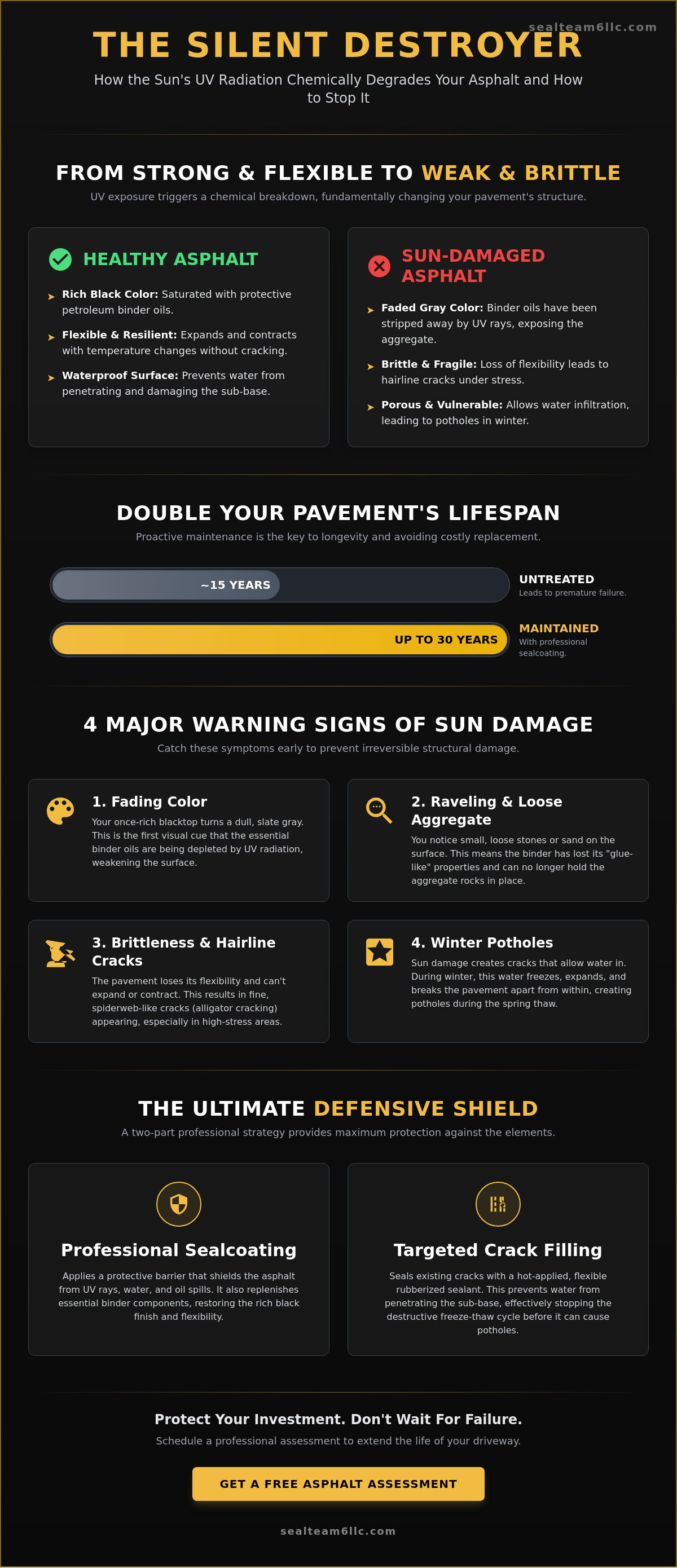
Oxidation occurs when the sun’s UV rays react with the oxygen in the air to harden the asphalt’s surface. In a healthy state, the binder is oily and viscous, allowing the pavement to expand and contract with temperature changes. As oxidation takes hold, the surface becomes brittle and dry. Oxidation is the chemical process where asphalt loses its waterproofing oils due to UV exposure. This hardening is the primary reason why older driveways develop spiderweb-like cracks; the material simply cannot flex anymore. This loss of flexibility is the first step toward total surface failure.
Binder Loss: Why Your Driveway Turns Gray
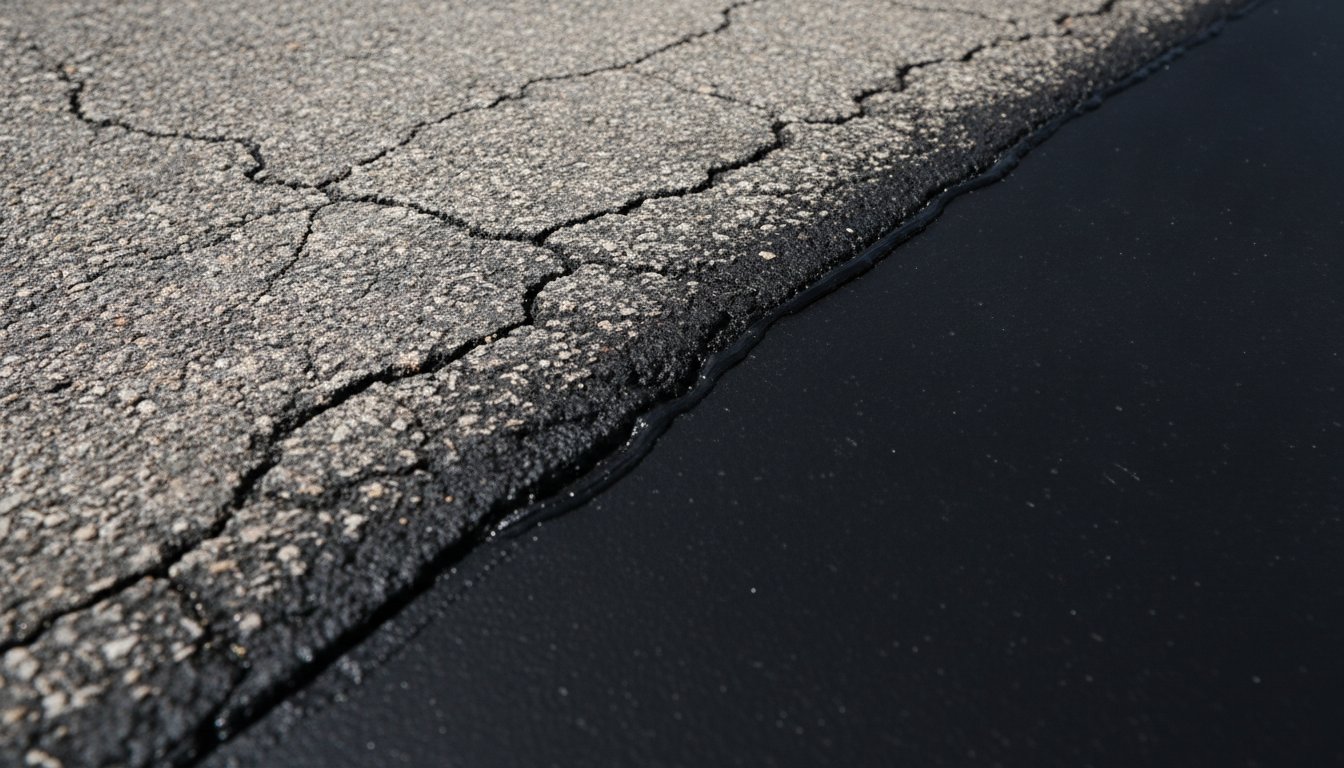
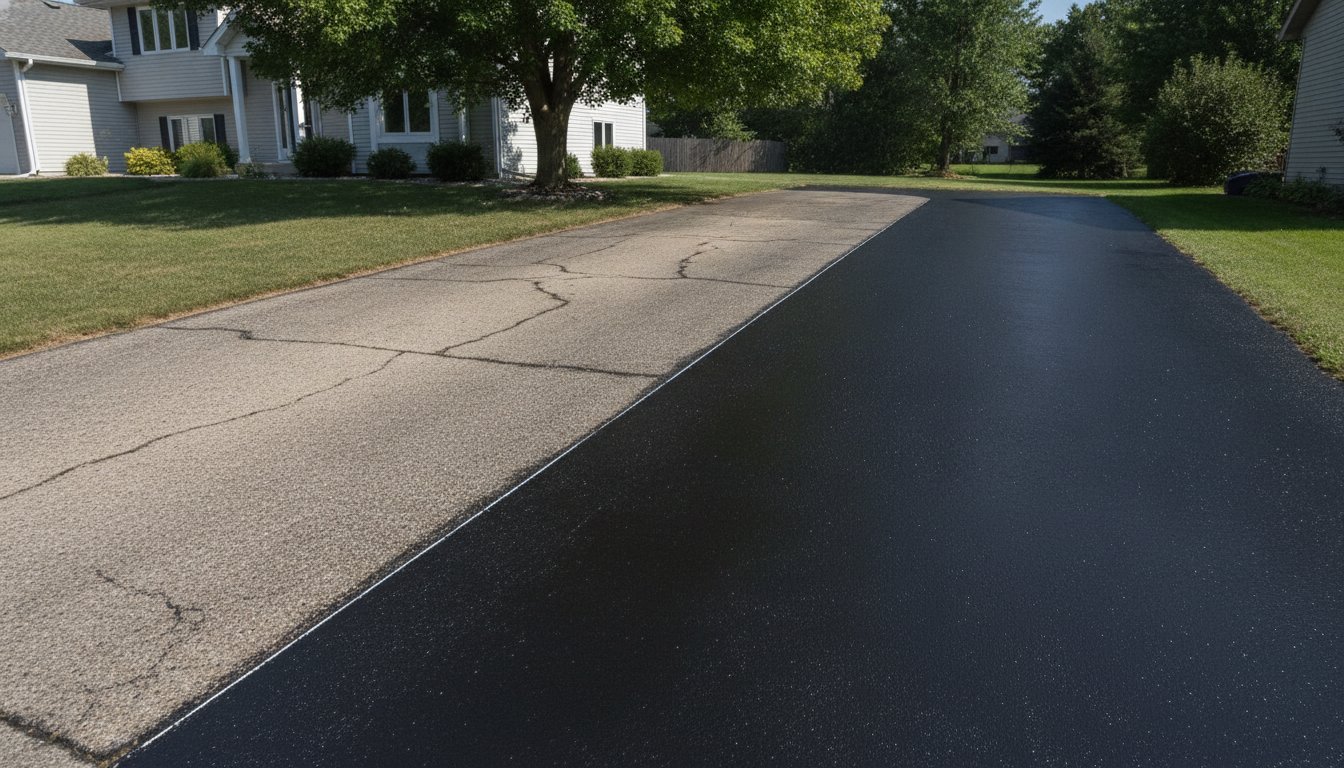
One of the most obvious indicators of sun damage is a change in color. New asphalt is a rich, dark black because it's saturated with bitumen. Over time, as the sun strips away the top layer of oils, the pavement fades to a dull, slate gray. This isn't just an aesthetic issue. It's a clear symptom of structural oil depletion. When the binder loses its grip, you'll start to notice a phenomenon called "raveling." This is when the top layer of rocks begins to flake off, leaving loose gravel on your driveway and creating a rough, pitted surface. Once raveling begins, the underlying layers are exposed to even more rapid decay, making professional intervention necessary to stop the cycle of damage.
Identifying the 4 Major Signs of Asphalt Sun Damage
Recognizing the symptoms of solar decay is the first step in implementing an effective asphalt sun damage protection strategy. While the chemical breakdown happens at a molecular level, the physical results are easy to spot if you know where to look. By catching these signs early, you can avoid the high costs of complete resurfacing, which often becomes necessary once the damage reaches the sub-base. Most property owners don't realize their pavement is failing until it's already brittle and shedding stones.
Fading vs. Structural Failure
Property owners often mistake a graying driveway for a simple cosmetic issue. It is far more significant. When the surface shifts from a deep, rich black to a dull slate gray, it signals that the sun has successfully leached out the petroleum-based binder. This visual change is the primary indicator of oxidation. If the graying is accompanied by a "chalky" texture that rubs off on your fingers, the structural oils are nearly depleted. This is the critical window where property owners should proactively maintain their asphalt pavement to prevent the onset of deep, structural cracks.
Raveling and Aggregate Loss
Raveling occurs when the sun has won the battle against the asphalt binder. You might notice small, loose stones gathering in the corners of your driveway or near the curb. This happens because the "glue" holding the aggregate in place has evaporated, leaving the rocks with nothing to bond to. These loose stones are more than just a nuisance; they act as an abrasive. As tires move over the loose gravel, they grind it into the remaining pavement like sandpaper, accelerating the decay of the layers beneath. This process is a clear sign that your asphalt sun damage protection has failed and needs immediate restoration.
Hairline Cracks and Brittleness
As the asphalt loses its essential oils, it also loses its ability to expand and contract with the afternoon heat. This lack of flexibility leads to hairline cracks, often appearing in a spiderweb pattern across the surface. You can test for advanced brittleness by observing how the pavement reacts to heavy traffic. If the edges of the driveway feel "crunchy" or if small chunks break off easily underfoot, the material has become too hard to survive the seasonal shifts. Catching these hairline fractures early is vital. A quick application of professional crack filling can stop water from entering these gaps, which is the next stage in the pavement's eventual failure.
The Minnesota Connection: Why Sun Damage Leads to Winter Potholes
Many Minnesota property owners view summer and winter as separate challenges. They aren't. The damage you see in January often began under the July sun. When UV rays bake your pavement, they create microscopic "pockets" and hairline fractures. These tiny voids serve as perfect reservoirs for winter moisture. Without effective asphalt sun damage protection, you're essentially leaving the door open for the destructive freeze-thaw cycle to take root months before the first snowflake falls. This chemical "slow burn" robs the pavement of its flexibility, making it the primary precursor to winter water damage.
Brittleness and the Freeze-Thaw Cycle
Healthy asphalt is remarkably resilient. It contains petroleum binders that allow the surface to "give" as temperatures shift. Brittle, sun-damaged asphalt lacks this flexibility. When water trapped in UV-induced cracks freezes, it expands by about 9 percent. A flexible surface might stretch and recover; a brittle one simply snaps under the strain. This internal pressure is what causes the pavement to heave and eventually collapse into a pothole. Stopping freeze-thaw asphalt damage starts in the summer by ensuring the binder remains sealed and pliable. A sun-damaged driveway is twice as likely to develop potholes in the spring compared to one that has been properly shielded from the sun's rays.
The Vulnerability of Unprotected Pavement
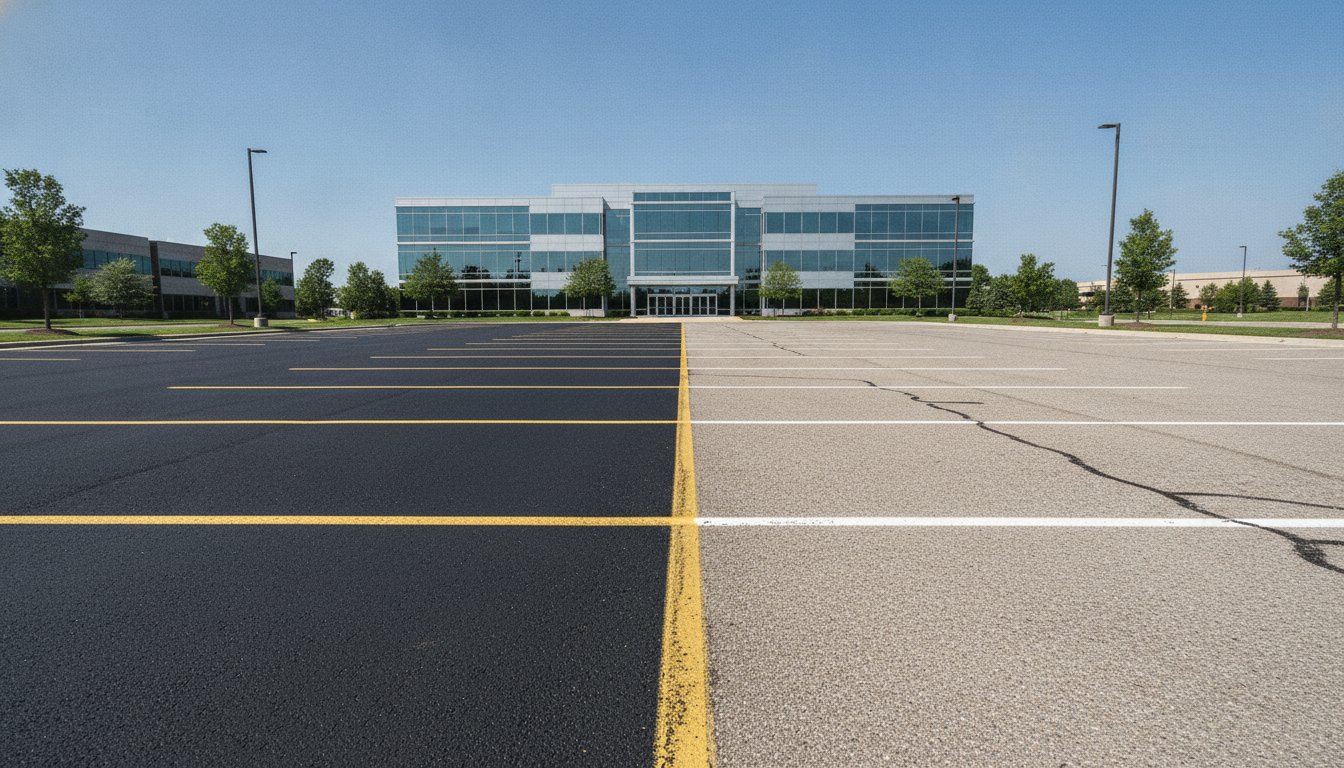
In the Twin Cities, the contrast between maintained and ignored pavement is stark. An unprotected driveway often succumbs to structural failure in just 10 to 15 years. Conversely, a driveway with a consistent asphalt sun damage protection strategy can last 25 to 30 years according to industry standards. Local challenges like road salt only worsen the situation. Salt lowers the freezing point of water, which actually increases the frequency of the freeze-thaw cycle by causing more frequent melting and refreezing. If the sun has already compromised the surface, salt and moisture penetrate deeper and faster than they would on a sealed surface. UV radiation acts as the "entry point" for winter moisture infiltration. By treating your pavement in the warmer months, you're building a defensive shield that pays dividends when the temperature drops.
The Best Protection Methods for Long-Term Asphalt Durability
Preserving your pavement requires a proactive defense strategy. Since we've established that UV rays chemically dismantle the binder, the solution must involve a physical barrier to block radiation. A comprehensive approach to asphalt sun damage protection involves more than just a single treatment; it's a cycle of stewardship that keeps the material flexible and resilient against the intense summer sun. By implementing these methods, you transition from reactive repairs to a logical maintenance plan that preserves your property's value.
- Sealcoating: This is the industry standard for "sunscreen" for your pavement. It provides a dark, protective skin that absorbs UV energy so the underlying asphalt doesn't have to.
- Regular Cleaning: Dirt, sand, and organic debris can trap heat on the surface, creating localized hot spots that accelerate binder evaporation. Sweeping your driveway regularly helps maintain a cooler surface temperature.
- Crack Filling: When hairline fractures appear, they allow UV rays to penetrate deep into the structure. By fixing driveway cracks early, you prevent solar decay from reaching the aggregate base.
- Strategic Landscaping: While large shade trees aren't always practical for every lot, using tall shrubs or strategic plantings can protect high-traffic edges from the late afternoon sun, which is often the most intense.
How Sealcoating Acts as a UV Barrier
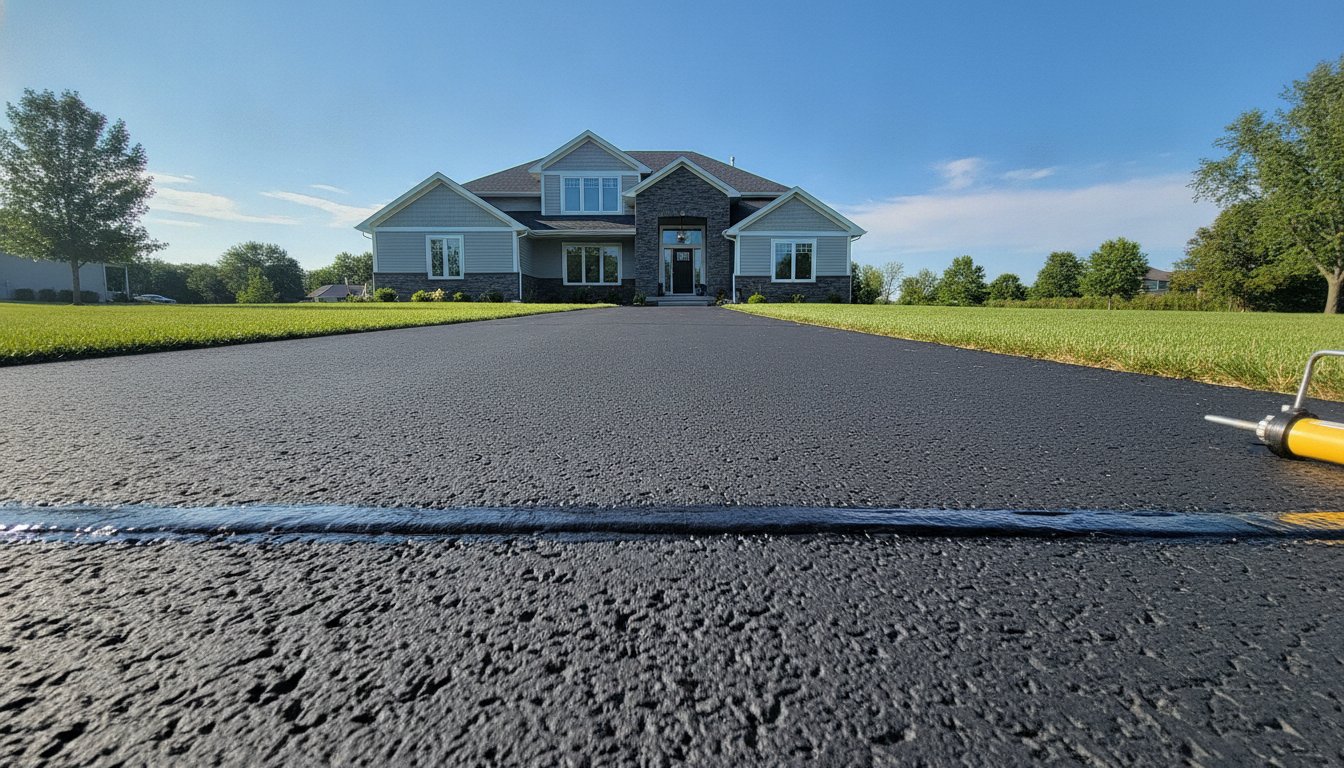
Professional-grade sealcoat is a complex mixture of bitumen, high-performance polymers, and specialized minerals. The dark black pigment isn't just for looks. It serves a functional purpose by reflecting and absorbing UV rays before they can reach the sensitive binder below. Think of sealcoating as a sacrificial layer. Over time, the sun will weather the sealcoat, causing it to wear down. This is intentional. By allowing the sealcoat to bear the brunt of the oxidation, you ensure the structural asphalt remains dark, oily, and flexible for decades.
The Importance of Timely Application
Timing is everything when it comes to pavement defense. In Minnesota, the ideal window for sealcoating is narrow, typically running from May through September when overnight temperatures stay above 50 degrees. If you've recently installed new asphalt, wait at least 12 months before the first application. This allows the pavement to cure and release initial oils. After that first application, maintaining a schedule of every 2-3 years provides the optimal defense against solar decay. To ensure your property is shielded for the upcoming season, you can schedule a professional seal coating assessment to determine the current health of your binder.
Professional Maintenance: Your Driveway’s Defensive Shield
While DIY kits are available at most local hardware stores, they rarely provide the level of asphalt sun damage protection required to survive the long haul. Retail-grade sealants are often watered down to make them easier for homeowners to stir and apply. These products typically lack the high-solids content and specialized polymer additives found in professional mixtures. Without these essential components, the "sunscreen" layer is too thin to effectively block UV radiation or bond permanently with the oxidized surface. Professional stewardship ensures that the chemical barrier is thick enough to withstand both solar decay and heavy tire traffic.
Choosing professional maintenance is an investment in the longevity of your property. Our sealcoating services in Minnesota are specifically designed to address the unique stressors of our regional climate. We don't just paint the surface black; we restore the defensive integrity of the pavement. This proactive approach turns a failing, brittle driveway into a resilient asset that can withstand the sun's chemical "slow burn" and the subsequent winter moisture infiltration.
The Seal Team LLC Process
Our approach is rooted in meticulous preparation and technical precision. We understand that a UV barrier is only as good as its bond to the pavement. Our process includes several critical steps:
- Industrial Cleaning: We use high-powered blowers and mechanical sweepers to remove every trace of dirt and organic debris. If the sealant is applied over dust, it will peel away within months.
- Professional Crack Filling: Before the seal is applied, we treat every fracture. This prevents UV rays from reaching the sub-base and stops water from entering the structure during the next freeze-thaw cycle.
- High-Solids Application: We use restoration-grade sealers that contain a higher percentage of bitumen and polymers. This creates a thicker, more durable shield that stays dark and flexible for years.
Get Your Free Estimate in the Twin Cities
It's easy to ignore a graying driveway until a pothole forms, but by then, the structural damage is often done. We encourage property owners to schedule a professional assessment of their pavement’s UV health before the heat of midsummer accelerates the decay. Based in the heart of the metro, we provide expert care to residential and commercial clients across Minneapolis, Saint Paul, and the surrounding communities. Our goal is to help you avoid the massive expense of repaving through sensible, science-based maintenance. Protect your investment with a professional sealcoating estimate from Seal Team LLC today.
Secure the Future of Your Pavement
The summer sun doesn't just fade your driveway's color. It chemically dismantles the petroleum binder that holds your pavement together. We've seen how this oxidation process leads to brittle surfaces and provides a gateway for the destructive freeze-thaw cycles of a Minnesota winter. By implementing a professional asphalt sun damage protection strategy, you aren't just improving curb appeal. You're acting as a diligent guardian for your property's value and avoiding the heavy costs of premature repaving.
Our team of local Minnesota experts uses high-durability, commercial-grade sealants to create a resilient shield against UV decay. We provide free estimates for residential and commercial lots to ensure every property owner has a clear roadmap for maintenance. We believe in proactive care that addresses the science of pavement failure before it starts. Protect your asphalt from the 2026 sun; Get a Free Estimate from Seal Team LLC. We're here to help you defend your investment and keep your pavement strong for decades to come.
Frequently Asked Questions
Does the sun really damage asphalt in Minnesota?
Yes, the sun is a primary cause of pavement degradation even in northern climates like Minnesota. While our summers are shorter than those in southern states, the high intensity of UV radiation during the long daylight hours of June and July is sufficient to break down the petroleum binder. This chemical shift makes the material brittle, which sets the stage for the destructive freeze-thaw cycles that occur during our harsh winters.
How often should I sealcoat my driveway for UV protection?
You should generally apply seal coating every two to three years to maintain an effective barrier against solar decay. This frequency ensures that the sacrificial layer of the sealant is replenished before the underlying asphalt is exposed to direct sunlight. Consistent maintenance is the most reliable way to provide ongoing asphalt sun damage protection and extend the lifespan of your property’s pavement significantly.
Is gray asphalt a sign of permanent damage?
Graying indicates that the surface oils have evaporated, but it doesn't always mean the damage is irreversible. If the pavement is still structurally sound without deep cracks or "alligatoring," a professional seal coating treatment can restore the appearance and prevent further decay. However, if the asphalt has become extremely brittle and started to crumble, it may require more intensive restoration beyond a simple protective coating.
Can sealcoating fix cracks caused by the sun?
Sealcoating is designed to prevent damage rather than repair existing structural breaks. While it can fill very minor surface pores, any visible cracks caused by sun-induced brittleness require professional crack filling. We always recommend addressing these fractures with a specialized rubberized filler before applying the seal coat to ensure that moisture and UV rays cannot penetrate the sub-base and cause further erosion.
What is the best time of year to protect my asphalt from the sun?
The ideal window for applying protection in the Twin Cities is between May and September. During these months, the overnight temperatures typically stay above 50 degrees, which is necessary for the sealant to cure and bond properly. Scheduling your maintenance in the late spring or early summer ensures your driveway has a fresh defensive shield before the most intense UV radiation of the year arrives in mid-summer.
Does a darker sealcoat make the driveway hotter?
A fresh, dark sealcoat does absorb more thermal energy than a faded gray surface, making it hotter to the touch. While this increase in surface temperature is noticeable on a sunny day, the dark pigments are essential for blocking UV rays from reaching the sensitive binder. The temporary increase in heat is a necessary trade-off for the long-term chemical preservation and flexibility of the underlying asphalt structure.
Can I use a DIY sealer for sun protection?
DIY sealers provide a temporary cosmetic change but often lack the high-solids content required for long-term asphalt sun damage protection. Many retail products are diluted to simplify the application process for homeowners, resulting in a thinner layer that wears away quickly under tire traffic. Professional-grade sealants contain specialized polymers and minerals that bond more effectively to the surface, creating a much more durable defensive shield.
How long does sealcoating take to dry in the summer sun?
You can typically walk on a freshly sealed driveway within a few hours, but you should wait 24 to 48 hours before driving a vehicle on it. While the summer sun helps speed up the initial evaporation of water from the sealant, the material needs time to fully cure and harden to prevent power steering marks. High humidity or shaded areas can extend this drying time, so it's always best to follow the specific timeline provided by your service technician.