What if the potholes appearing on your driveway every April aren't actually caused by the sub-zero temperatures, but by what happened months earlier? Most Minnesota property owners treat spring pavement damage as an inevitable tax for living in the North. It's frustrating to watch your investment crumble while wondering if those expensive repairs are just a temporary fix. You aren't alone in feeling anxious about the rising costs of full replacement, especially when Minnesota construction costs already sit 6% higher than the national average.
We believe that preventing freeze-thaw asphalt damage is a matter of proactive stewardship rather than just reacting to the weather. The reality is that winter damage is almost entirely a moisture-entry problem that you can mitigate by up to 90% with the right approach. In this article, we'll pull back the curtain on how the freeze-thaw mechanism actually works and why DIY sealants often fail in our extreme climate. You'll gain a clear fall preparation checklist and the confidence to choose between crack filling and sealcoating to keep your pavement durable for years to come.
Key Takeaways
- Understand the "9% Rule" and how freezing water generates thousands of pounds of pressure that forces asphalt apart from the inside out.
- Learn why salt and de-icers actually accelerate pavement decay by increasing the frequency of daily melt-and-freeze cycles.
- Discover why the most effective window for preventing freeze-thaw asphalt damage is in late autumn, before the first hard frost sets in.
- Identify the critical differences between inevitable thermal cracking and the preventable fatigue cracking that leads to spring potholes.
- Gain a clear rationale for using professional seal coating and crack filling as a defensive shield against Minnesota’s extreme winter moisture.
The Science of the Cycle: Why Minnesota Asphalt Cracks
The process of The Science of the Cycle: Why Minnesota Asphalt Cracks begins with a simple physical change: water expanding as it turns to ice. In the Twin Cities, we experience dozens of these transitions every year. When moisture finds its way into your pavement, it doesn't just sit there. As temperatures drop below 32°F, that water undergoes the "9% Rule." It expands by roughly 9% in volume, exerting thousands of pounds of pressure per square inch against the internal walls of the asphalt. This internal force is often stronger than the asphalt itself, causing the material to stretch and eventually snap.
Our local "shoulder seasons" in late fall and early spring are particularly punishing for residential and commercial surfaces. During these weeks, the sun might melt snow during the day, sending runoff into every available pore. By nightfall, that water freezes solid. This rapid, daily repetition of expansion and contraction is the primary engine behind most driveway failures. Because asphalt is naturally porous, it acts like a magnet for this moisture, making preventing freeze-thaw asphalt damage a constant battle against physics.
The Role of the Sub-Base in Pavement Failure
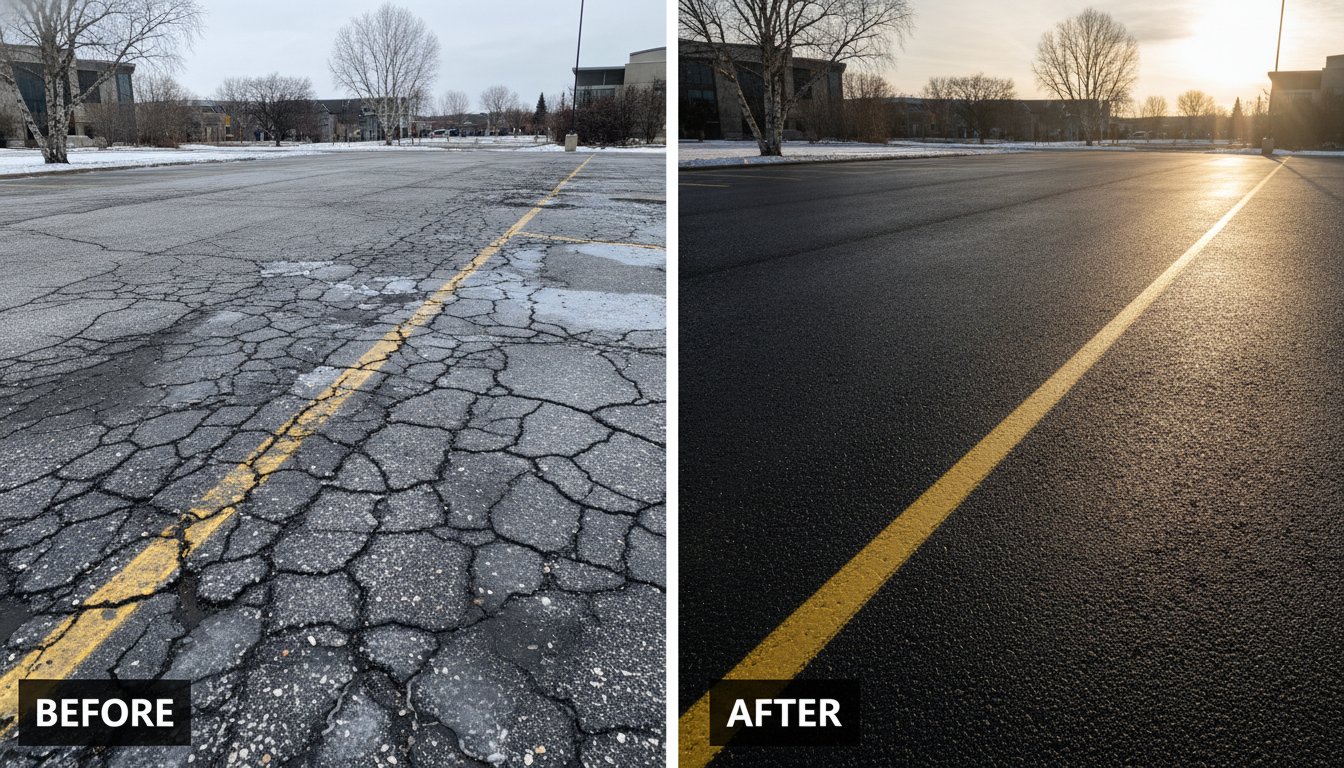
A driveway is only as strong as what lies beneath it. When water penetrates a surface crack, it eventually reaches the gravel sub-base. This is where the real trouble starts. If the base becomes saturated and then freezes, it heaves upward, pushing the asphalt along with it. As heavy vehicles drive over these pockets of trapped water, they create a "pumping" effect. This hydraulic pressure forces the moisture even deeper into the foundation, washing away the supporting gravel and leaving a hollow void. Once the ice melts, the asphalt collapses into that space, creating a classic Minnesota pothole. A dry, stable sub-base is your best defense against structural failure.
Why "Invisible" Damage is the Most Dangerous
You might look at your driveway in July and think it's in perfect health, but the seeds of winter destruction are often sown in the summer heat. Micro-fissures, which are tiny cracks invisible to the naked eye, provide the perfect entry point for autumn rain. These small openings are often the result of binder oxidation. Binder oxidation is the loss of oils that keep asphalt flexible. When these oils evaporate due to UV exposure, the pavement becomes brittle and loses its ability to flex. Instead of bending under pressure, the oxidized asphalt shatters, making preventing freeze-thaw asphalt damage much more difficult once the first frost arrives.
Myth #1: "Cracks in Winter are Normal and Unavoidable"
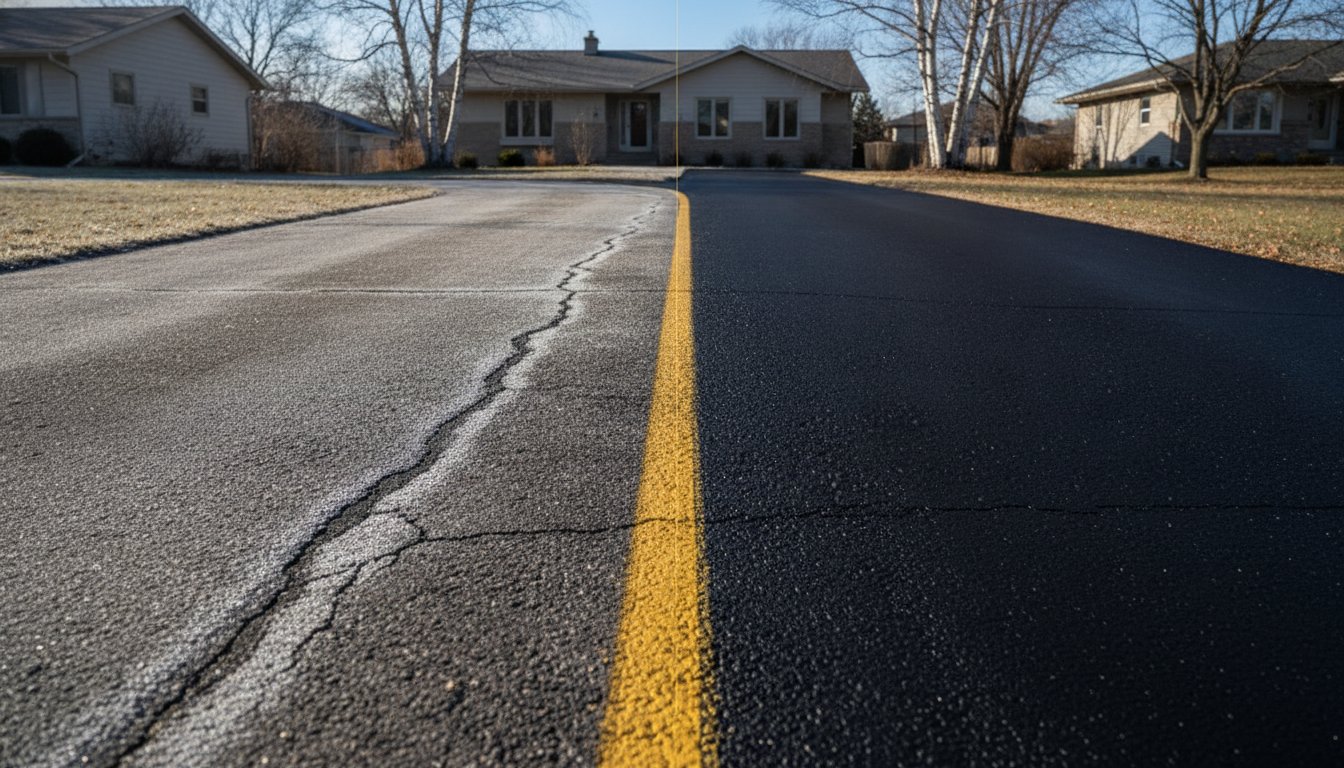
Many homeowners in the Twin Cities accept driveway cracks as an inevitable rite of passage. They believe that if you live in a climate where it hits -20°F, your pavement is guaranteed to split. This is a misconception. While extreme cold can cause "thermal cracking" due to the asphalt's inability to contract quickly enough, most of the damage we see is actually "fatigue cracking." This type of failure isn't a symptom of age; it's a symptom of neglect. By focusing on preventing asphalt cracks from worsening in winter, you can break the cycle of annual repairs.
The secret to preventing freeze-thaw asphalt damage isn't stopping the temperature from dropping. It's about moisture exclusion. When you view crack filling as a structural waterproof barrier rather than a cosmetic touch-up, you change the trajectory of your driveway's lifespan. Even small openings allow chemicals to seep in, and research into how deicing salts damage asphalt shows that these substances accelerate the breakdown of the binders that hold your pavement together. If you're unsure if your current cracks are structural or surface-level, a quick assessment from the professionals at Seal Team LLC can help identify trouble spots before they expand.
The Compounding Cost of "Normal" Cracks
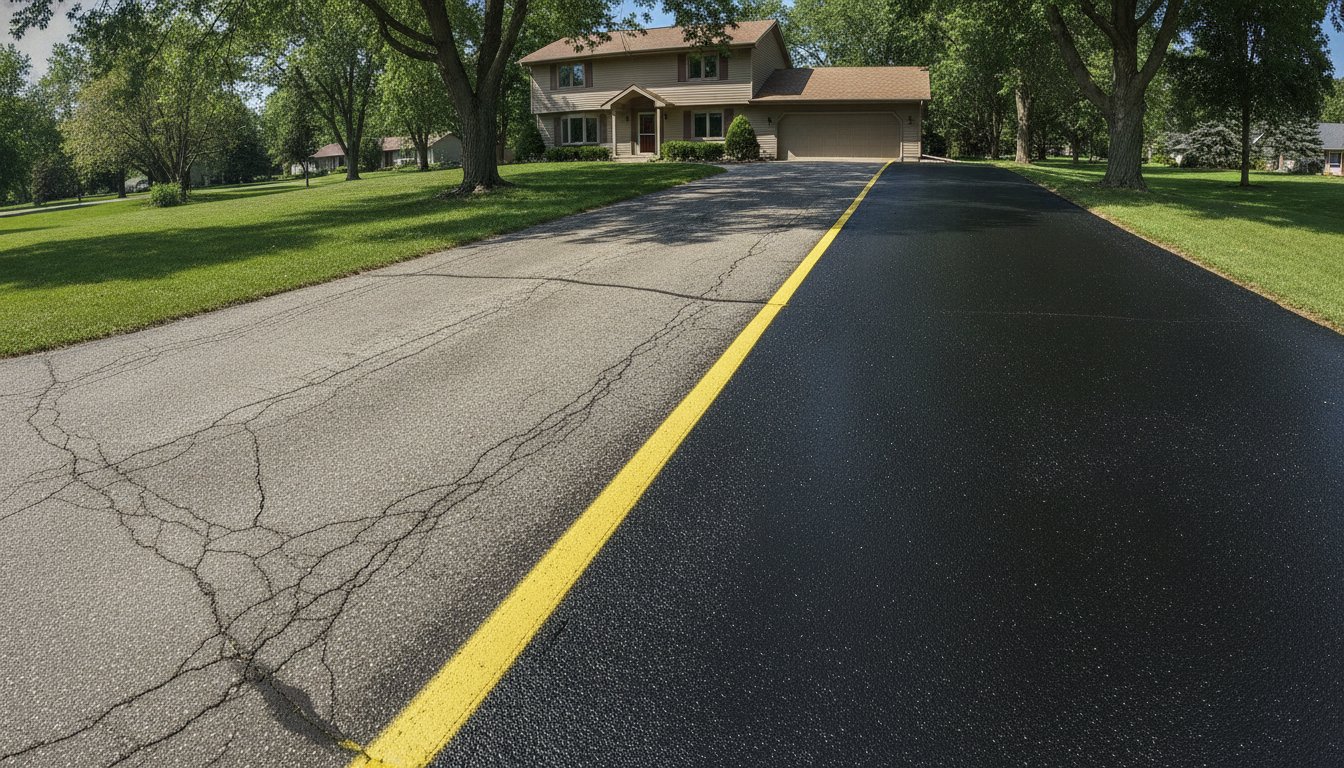
A hairline fracture might seem harmless in August, but it acts as a funnel once the autumn rains arrive. A crack only 1/4-inch wide in November can easily become a two-foot pothole by April. This happens because of the exponential decay of asphalt. Once the sub-base is compromised by water, the rate of damage accelerates rapidly. Industry data suggests that early intervention through crack filling saves property owners up to five times the cost of a full asphalt replacement. No crack is truly "too small to fix" when you consider the hydraulic pressure it will face in January.
Professional Crack Filling vs. Hardware Store Tubes
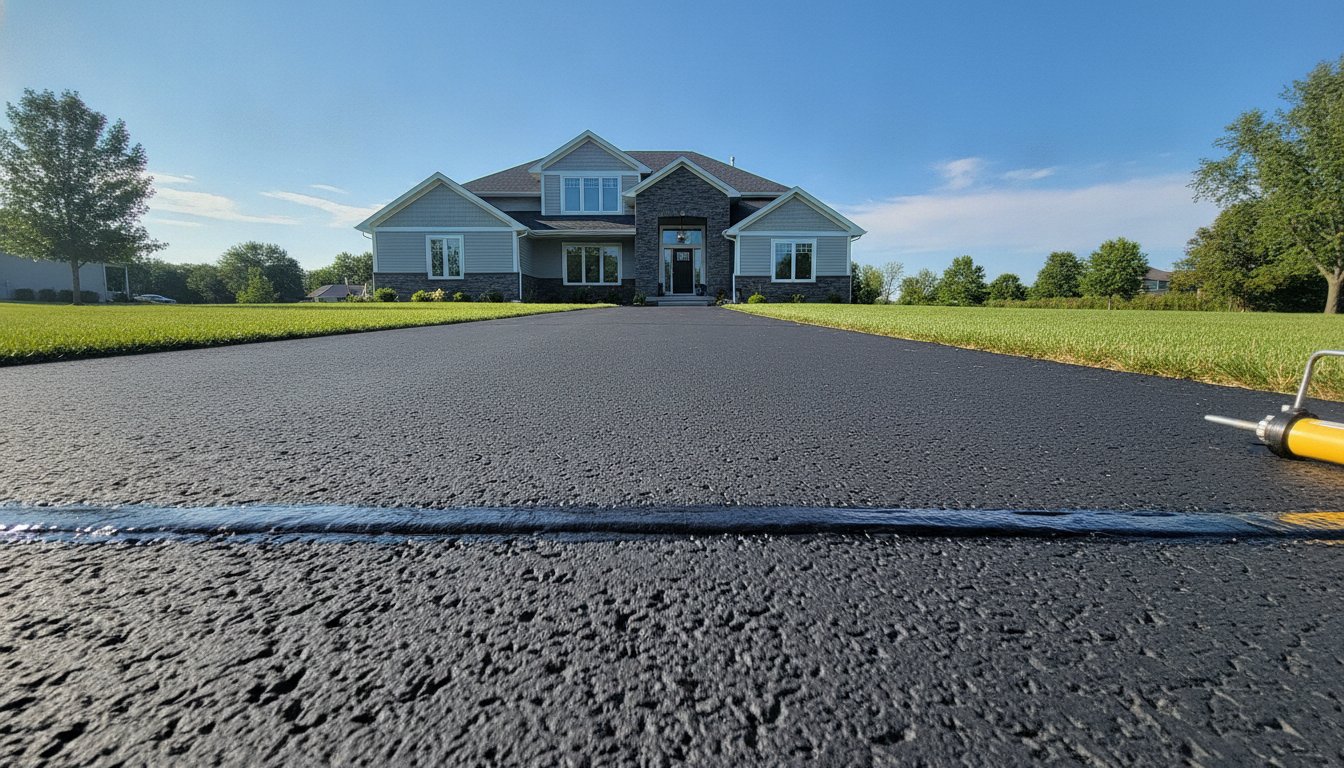
It's tempting to grab a plastic tube of liquid filler from a big-box store, but these DIY "cold-patch" solutions rarely survive a Minnesota winter. These materials don't actually bond with the existing asphalt; they simply sit inside the crack like a temporary plug. When the ground shifts during a deep freeze, the plug pops out. We use professional-grade hot-applied rubberized sealant that is heated to over 350°F. This liquid rubber melts into the edges of the crack, creating a flexible, permanent bond. We also utilize "over-banding," which creates a watertight cap that extends slightly past the crack edges to ensure no moisture can find a way underneath the surface.
Myth #2: "Salt and De-icers Only Hurt Concrete, Not Asphalt"
There is a common belief among Minnesota property owners that while road salt destroys concrete sidewalks, it is perfectly safe for asphalt driveways. This is a dangerous misunderstanding. It is true that salt does not chemically "eat" asphalt in the same way it causes concrete to spall and flake. However, salt acts as a powerful accelerant for the freeze-thaw cycle. By lowering the freezing point of water, salt creates a situation where moisture melts and refreezes dozens of times in a single day as temperatures fluctuate. Every one of those mini-cycles exerts the 9% expansion pressure discussed earlier, making preventing freeze-thaw asphalt damage significantly harder if you rely heavily on chemicals.
This "brine effect" is particularly destructive because saltwater has a lower surface tension than pure water. This allows the salty brine to stay liquid at lower temperatures, giving it more time to penetrate deep into the microscopic pores and fissures of your pavement. Once the temperature eventually drops low enough for the brine to freeze, the resulting pressure is often deeper and more structural than what you would see with normal snowmelt. When property owners find themselves needing extensive freeze-thaw asphalt damage repair in the spring, excessive salt use is frequently the hidden culprit behind the collapse.
How Road Salt Strips the Asphalt Binder
Asphalt is a petroleum-based product, and its health depends on the integrity of the "binder," the oily glue that holds the rocks and sand together. Heavy exposure to salt brines can lead to a process called stripping. Over time, the chemical interaction between the salt and the pavement weakens the bond between the aggregate and the binder. You will notice this as "raveling," where the surface of your driveway starts to feel like coarse sandpaper and small stones begin to break loose. Salt effectively acts as a chemical catalyst that drives moisture deeper into the pavement's structure.
Safer Alternatives for Minnesota Pavement
Protecting your investment doesn't mean you have to live with a slippery driveway. For traction, we recommend using sand or bird grit. These materials provide immediate grip on ice without the chemical side effects of chloride-based melters. This aligns with the broader state goal in Minnesota to reduce deicing salt use by 25% by the year 2030 to protect our local waters. Prompt snow removal is also essential; clearing your driveway before the sun goes down prevents ice-damming, which is when melting snow traps water against the pavement surface. Finally, think of seal coating as a sacrificial layer. This protective coating takes the brunt of the environmental and chemical abuse, ensuring that salt never reaches the vulnerable underlying asphalt binder.

Myth #3: "You Should Wait Until Spring to Think About Asphalt Repairs"
Waiting until the first robin appears to address your driveway is a strategy that often leads to expensive structural failure. Many Twin Cities property owners fall into the trap of thinking that asphalt maintenance is a spring chore. In reality, by the time the snow melts in April, the damage has already been done. September and October are actually the most critical months for asphalt stewardship. This is the window when you can seal the envelope of your pavement before the brutal moisture cycles of winter begin. If you wait until you see a pothole in the spring, you're no longer performing maintenance; you're performing a costly rescue operation.
Effective preventing freeze-thaw asphalt damage requires specific environmental conditions that are rare in a Minnesota spring. Professional hot-applied sealants and coatings require dry, warm pavement to create a permanent, molecular bond. If the ground is still holding frost or the asphalt is saturated with meltwater, the sealant will simply sit on the surface rather than penetrating the pores. For a detailed breakdown of the ideal weather windows for these treatments, our guide on sealcoating services minnesota provides the specific temperature benchmarks needed for a successful application.
The Fall Maintenance Checklist for Twin Cities Owners
A proactive approach in the autumn can extend the life of your pavement by years. We recommend following these four steps before the first hard frost:
- Conduct a "water test": During a rainstorm, or using a garden hose, identify areas where water pools. Poor drainage is the primary precursor to deep-seated freeze damage.
- Clean out debris: Remove dirt, grass, and stones from existing cracks. Debris holds moisture and prevents sealants from sticking.
- Schedule professional crack filling: Ensure all visible openings are sealed with hot-applied rubberized material to keep winter meltwater out of the sub-base.
- Audit the perimeter: Check the edges where your asphalt meets the grass. "Edge cracking" often starts here and can quickly migrate toward the center of your driveway.
Why Winter "Cold Patching" is Only a Band-Aid
You may have seen "cold patch" bags at the hardware store or watched road crews filling potholes in February. These are emergency measures, not long-term solutions. Cold patch material remains pliable and does not truly bond to the frozen, damp edges of a pothole. When the next thaw occurs, traffic and moisture usually cause these patches to "pop out" within weeks. Fall prevention is the only reliable way to avoid the spring pothole panic. If you've noticed new fissures this month, schedule a professional crack filling assessment now to secure your pavement before the temperature drops.
The Seal Team LLC Defense: Professional Prevention for Twin Cities Winters
Minnesota winters are relentless, but your pavement's decay doesn't have to be. At Seal Team LLC, we position ourselves as more than just a service provider; we are your partners in property stewardship. Our approach to preventing freeze-thaw asphalt damage is rooted in the belief that every driveway is a significant financial asset that deserves a customized defense plan. We don't just patch holes. We analyze the specific environmental stressors affecting your property to ensure our crack filling and seal coating applications provide a true barrier against the elements.
Our team utilizes commercial-grade materials specifically engineered for the Upper Midwest. We select rubberized sealants designed to maintain their elasticity even when temperatures plummet to -20°F. While standard materials might become brittle and snap alongside the asphalt, our products are chosen for their ability to stretch and contract without losing their bond. This meticulous attention to material science is a core part of our expert driveway crack filling in Minneapolis & Saint Paul, ensuring that your maintenance investment lasts through the spring thaw and beyond.
Our Process: Why Local Expertise Matters
Understanding the ground beneath the asphalt is just as important as the asphalt itself. Many parts of the Twin Cities sit on heavy clay soils that retain significant amounts of moisture. This moisture leads to more aggressive frost heaving compared to sandy regions. We use this local knowledge to tailor our preparation process. We don't just pour sealant into a crack; we perform deep cleaning and heat-lancing to ensure the surface is bone-dry and free of organic material. This level of preparation is the only way to achieve a molecular bond that keeps water out of the sub-base, effectively preventing freeze-thaw asphalt damage at its source.
Get a Free Estimate Before the First Flurry
We understand that property maintenance is a balancing act between necessity and budget. Our specialists provide transparent, educational assessments that help you prioritize repairs based on the severity of the damage. We won't pressure you into services you don't need; instead, we offer a rationale based on the current health of your pavement. Because our fall schedule fills up quickly as the temperatures begin to drop, we encourage homeowners to act now. Securing your spot on the calendar ensures your driveway has its defensive shield in place before the first snow falls. Contact us today for a straightforward estimate and take the first step toward long-term pavement preservation.
Secure Your Investment Before the First Frost
Minnesota winters don't have to be the end of your driveway's lifespan. By understanding the science behind moisture expansion and the hidden dangers of chemical de-icers, you can shift from reactive repairs to proactive stewardship. The most critical takeaway is that the window for effective maintenance closes as the ground freezes. Autumn is your last chance to seal the envelope of your pavement against the coming moisture cycles. Effective stewardship is the only reliable method for preventing freeze-thaw asphalt damage in our extreme climate.
As a local, family-owned and operated specialist, we understand the specific pressures that Twin Cities soil and sub-zero temperatures put on your property. We utilize professional-grade hot-applied sealants that are engineered to remain flexible during our harshest nights. Don't wait for the spring pothole season to arrive before taking action. Protect your pavement today—Get a Free Estimate from Seal Team LLC. We look forward to helping you preserve your investment for the long haul.
Frequently Asked Questions
Is freeze-thaw damage covered by typical driveway warranties?
Typical driveway warranties usually exclude damage caused by environmental factors like the freeze-thaw cycle. These policies generally cover installation errors or material defects rather than the natural wear and tear of a Minnesota winter. Because weather-related issues are considered acts of nature, the responsibility for maintaining the surface falls on the property owner. Proactive care is the only way to ensure your investment remains protected through the years.
How many freeze-thaw cycles does Minnesota typically experience in a year?
Minnesota can experience dozens of freeze-thaw cycles in a single season, particularly during the volatile shoulder months of October and March. On these days, temperatures rise above freezing during the daylight hours and plummet at night. Each time this happens, trapped moisture expands and contracts, putting immense stress on the internal structure of your pavement. This high frequency of cycles is why our local asphalt requires more frequent stewardship.
Can I sealcoat my driveway if it already has freeze-thaw damage?
You can sealcoat a driveway with existing damage, but only after all cracks and potholes have been professionally repaired. Sealcoating is a thin, protective layer designed to shield the asphalt binder from UV rays and chemicals; it doesn't have the structural integrity to bridge open gaps. Addressing structural issues first is a critical step in preventing freeze-thaw asphalt damage and ensuring the sealcoat bonds correctly to a stable surface.
What is the difference between crack filling and crack sealing in cold climates?
Crack filling involves placing a rigid material into non-moving cracks, while crack sealing uses flexible, hot-applied rubberized material to accommodate working cracks. In cold climates like ours, crack sealing is often preferred because the ground shifts significantly as it freezes. The flexible material stretches as the pavement contracts in the cold, maintaining a watertight seal that prevents moisture from reaching the gravel sub-base and causing a collapse.
How much does freeze-thaw asphalt damage repair cost on average?
The cost for repairing asphalt damage depends on the severity of the deterioration and the current labor rates in the region. In Minnesota, the average skilled labor rate for construction trades is approximately $51 per hour. While minor crack filling is relatively affordable, allowing damage to progress into large potholes can lead to expensive structural repairs. Addressing small issues early helps you avoid the higher costs associated with extensive surface restoration.
What happens if I ignore the cracks in my driveway for just one winter?
Ignoring cracks for even one winter often leads to exponential decay and structural failure. Once a fissure is open, it allows snowmelt to saturate the sub-base, which then freezes and heaves the asphalt upward. By the time spring arrives, a simple hairline crack has likely evolved into a deep pothole. This progression makes preventing freeze-thaw asphalt damage much more difficult and expensive if you skip a single season of maintenance.
Does a thicker layer of asphalt prevent freeze-thaw issues?
A thicker layer of asphalt does not necessarily prevent freeze-thaw issues if the underlying sub-base is poorly constructed or saturated. While a thicker surface can handle more weight, the hydraulic pressure of expanding ice can heave and crack pavement of almost any thickness. True durability comes from a well-compacted gravel base and a surface that is kept watertight through regular crack filling and seal coating applications.
Can proper drainage completely eliminate freeze-thaw risks?
Proper drainage significantly reduces the risk of damage, but it cannot completely eliminate the effects of the freeze-thaw cycle. Even with perfect grading, asphalt is naturally porous and can absorb moisture from the air or through microscopic fissures. However, ensuring that water flows away from the pavement prevents the heavy saturation that leads to the most destructive ice expansion. Combining good drainage with professional maintenance provides the best possible defense.