What if the small hairline crack in your driveway today is actually a five thousand dollar repair bill waiting to happen next April? It's a common frustration for many in our state. You've likely watched as road salt and heavy snow plows turn a smooth surface into a map of expanding fissures over a single season. When it comes to winterizing your asphalt driveway minnesota homeowners often feel like they're in a race against the first frost.
We understand that your driveway is a significant investment that deserves proactive stewardship. In this 2026 protection guide, you'll learn how to shield your pavement from brutal freeze-thaw cycles using the right winterization strategy and professional-grade sealants. We'll explore the critical differences between DIY products and professional applications, explain how to stop cracks from migrating, and provide a clear timeline for securing your property before the paving season ends in October. By taking these steps now, you can avoid the stress of new potholes and ensure your pavement remains a durable, attractive asset for years to come.
Key Takeaways
- Understand the science of the "9% expansion" rule and how trapped water creates the internal pressure that leads to spring potholes.
- Learn why professional crack filling is the most critical step for winterizing your asphalt driveway minnesota to protect its structural integrity.
- Discover how to choose a high-grade sealant that provides a waterproof barrier against snowmelt and prevents chemical damage from winter de-icers.
- Identify the safe alternatives to rock salt that preserve your asphalt's surface while maintaining safety on icy days.
- Master the timing of the "Minnesota Window" to ensure your maintenance is performed while temperatures are still optimal for a proper cure.
The Science of Damage: Why Minnesota Winters Destroy Asphalt
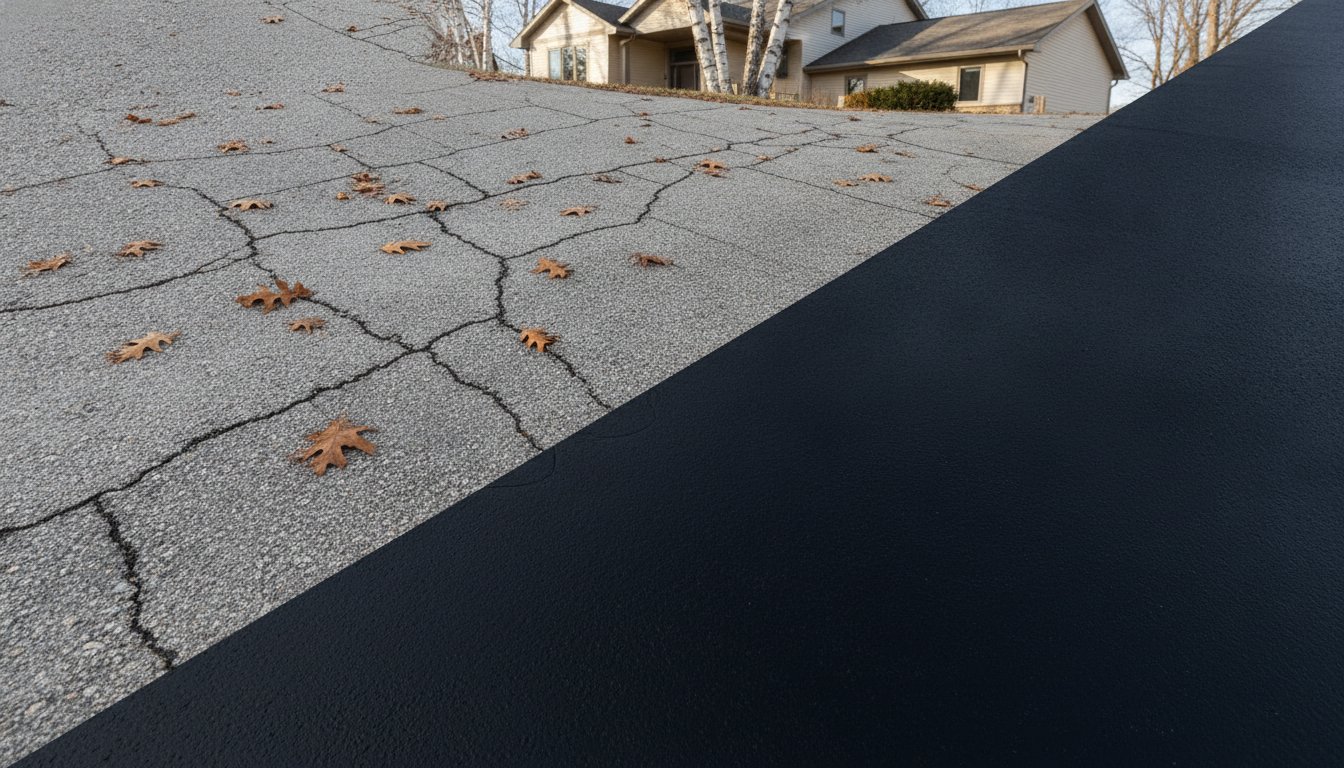
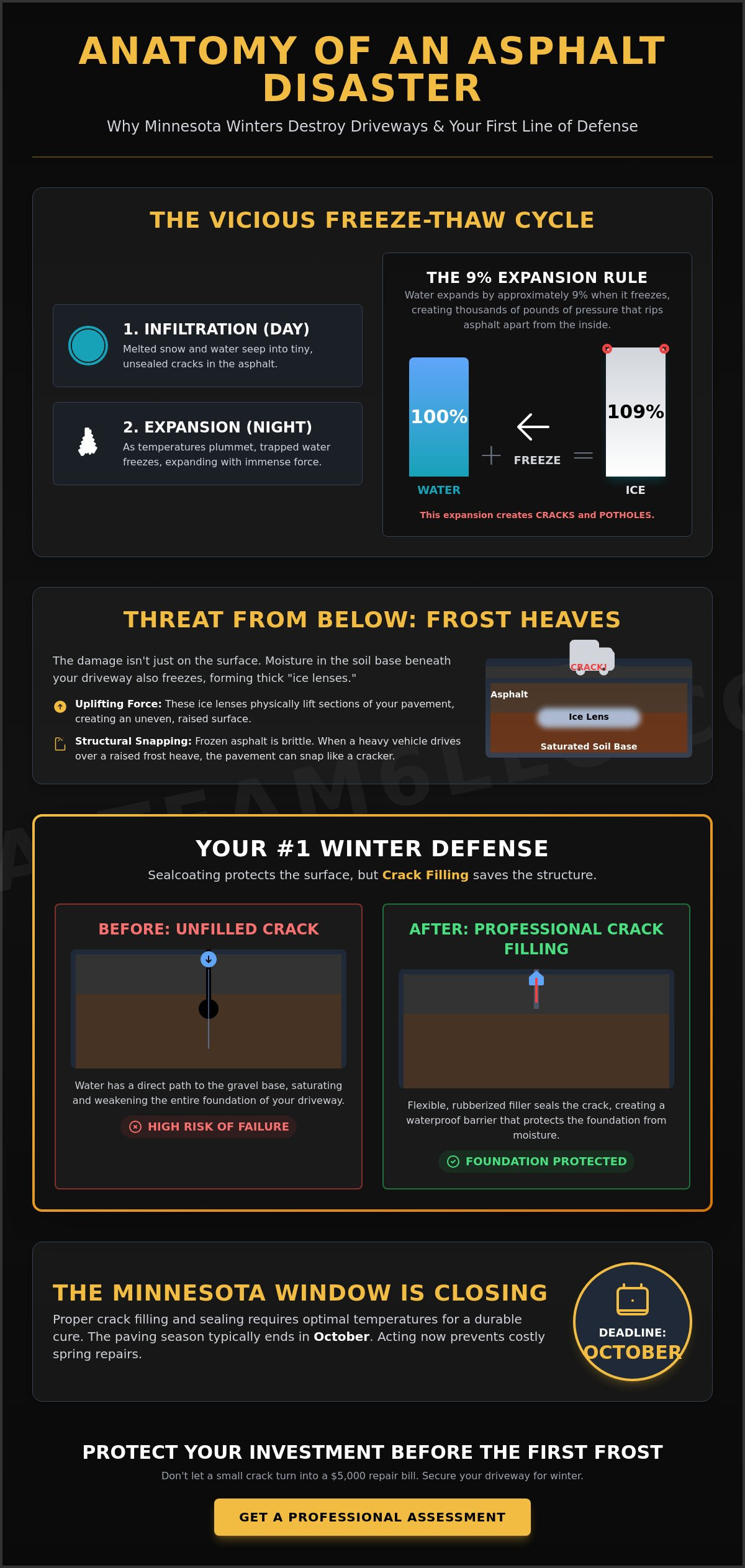
Why do driveways in the Twin Cities look like a jigsaw puzzle by April? It's not just age; it's physics. The primary culprit is a phenomenon known as the freeze-thaw cycle. When snow melts during a sunny Minnesota afternoon, the resulting water seeps into the microscopic pores and existing hairline cracks of your pavement. As the sun sets and temperatures plummet, that trapped water freezes. This is where the damage begins. According to basic physical principles, water expands by approximately 9% in volume when it turns into ice. In a confined space like an asphalt fissure, this expansion exerts immense internal pressure, pushing against the walls of the pavement from the inside out.
Our local climate is particularly brutal because of our drastic temperature swings. Minnesota often experiences days where the thermometer jumps thirty or forty degrees between noon and midnight. These frequent shifts mean your driveway might undergo dozens of miniature "explosions" every month as ice forms and melts repeatedly. Road salt further complicates this process. While it keeps your tires from slipping, it also lowers the freezing point of water. This creates an artificial melt even in sub-freezing temperatures, which increases the total number of freeze-thaw cycles the asphalt must endure. Without the protection of a high-quality driveway sealer, the unsealed bitumen is left defenseless against this chemical and physical onslaught.
The Mechanics of Frost Heaves
While surface damage is visible, some of the worst destruction happens underneath. Sub-surface moisture in the soil can freeze into "ice lenses," which are thick layers of ice that physically lift the pavement upward. This is known as a frost heave. In regions like Minneapolis and Saint Paul, the local soil types often contain high amounts of clay or silt that hold onto water. When the ground expands, it creates an uneven surface. If a heavy vehicle like a delivery truck or a large SUV drives over these raised, brittle sections, the frozen asphalt can snap like a cracker. Properly winterizing your asphalt driveway minnesota involves addressing these vulnerabilities before the ground locks up for the season.
Water Penetration: The Silent Killer
It starts with a tiny entry point. A hairline crack might seem cosmetic, but it acts as a funnel for every gallon of snowmelt. As the water works its way deeper, it eventually reaches the gravel base that supports your driveway. Once that base material becomes saturated and frozen, it loses its ability to support weight. Over time, the repeated expansion of ice widens these gaps until the asphalt eventually collapses into the void left behind, forming a structural pothole. The freeze-thaw cycle is the primary cause of MN pavement failure.
Critical Crack Filling: Your First Line of Winter Defense
Many homeowners believe sealcoating is the most important part of seasonal maintenance. It isn't. While sealcoating protects the surface from chemicals and sun, crack filling is the actual structural savior of your pavement. If you seal over an open crack without filling it first, water still finds a path to the gravel base. This is why when you're winterizing your asphalt driveway minnesota, addressing open fissures is your absolute priority. Properly winterizing your asphalt driveway minnesota means choosing materials that stay elastic even when temperatures drop to twenty below zero.
The inspection process involves identifying "working" versus "non-working" cracks. Working cracks are those that move, expanding and contracting as the ground shifts. Identifying these is part of established pavement maintenance and repair standards used to prevent total structural failure. If a crack is deeper than a surface scuff, it requires a flexible, rubberized material that can handle a forty degree temperature swing in a single night. Taking care of these structural issues now is a form of stewardship that prevents a full driveway replacement later. If you aren't sure which cracks are dangerous, having a professional perform a thorough crack filling can save your pavement this season.
Step-by-Step Driveway Crack Repair
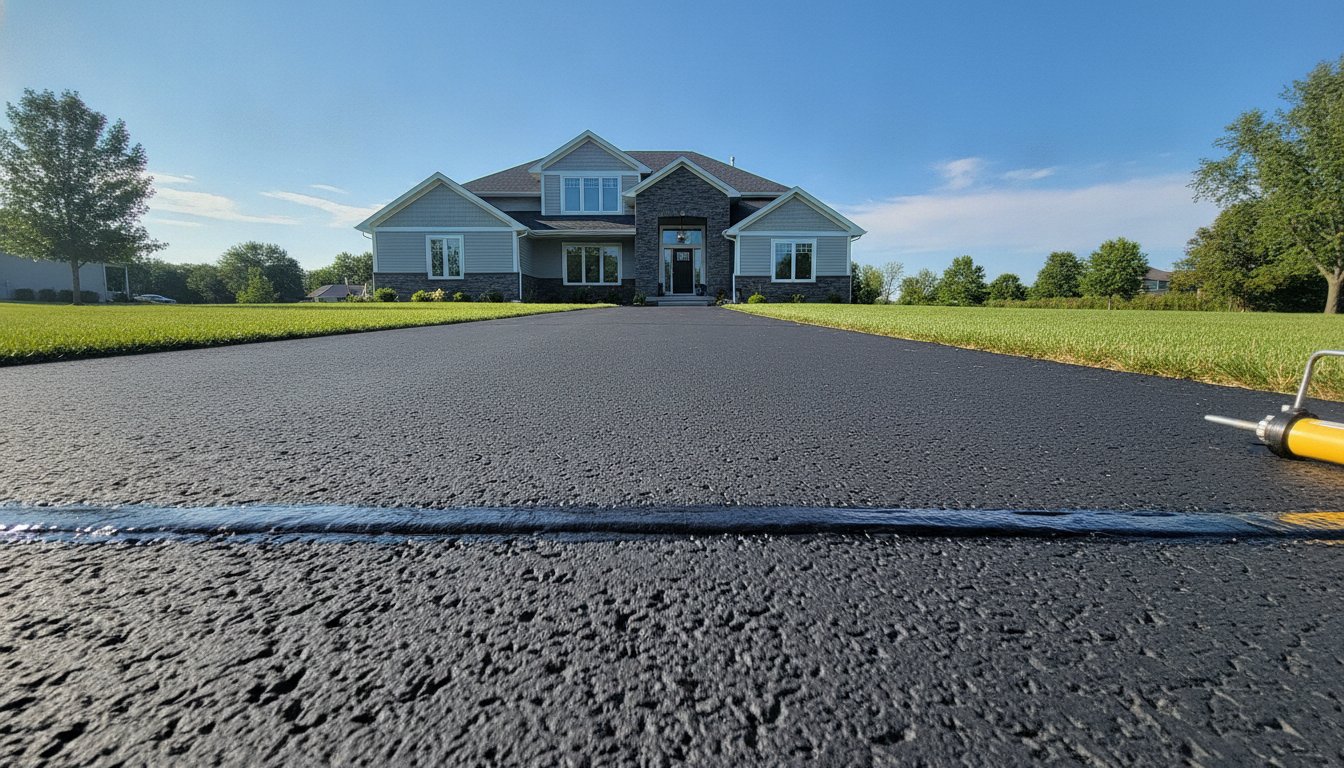
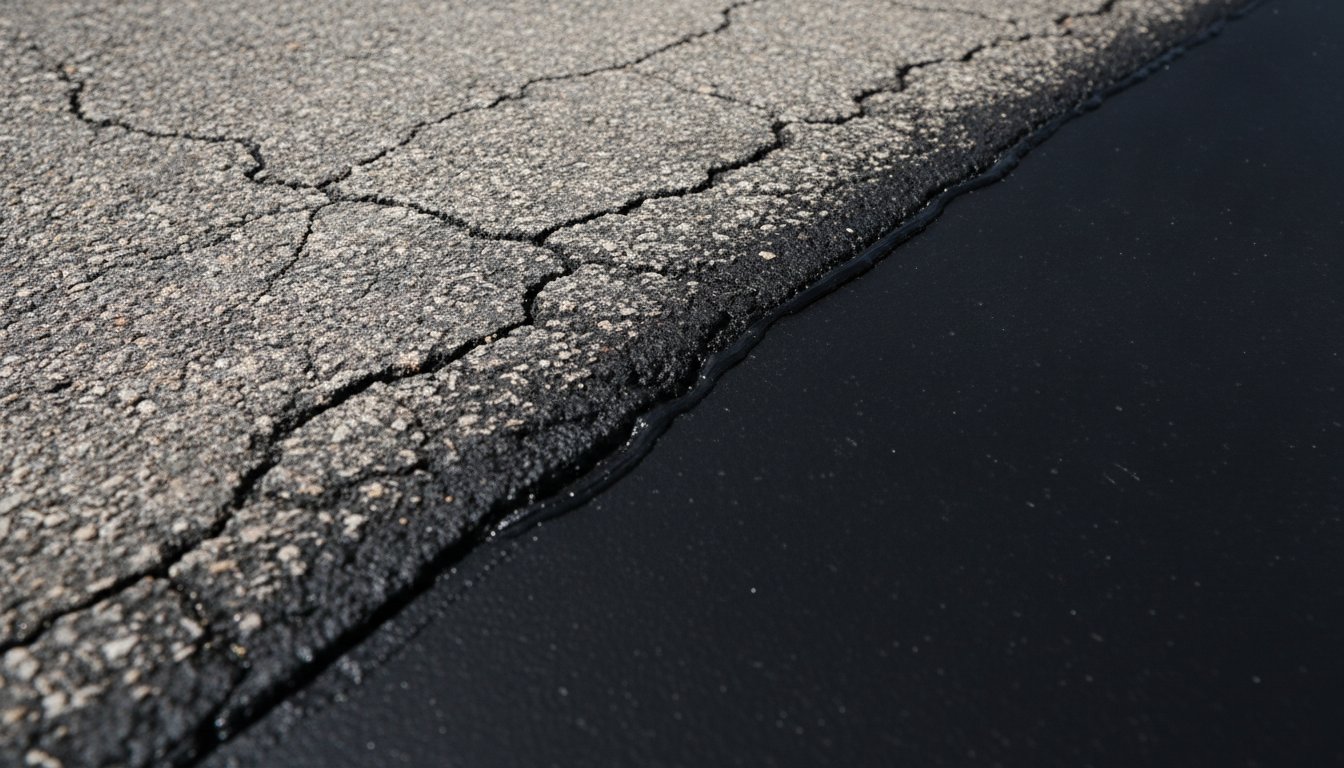
Success requires precision and specific conditions. First, we remove all debris, dirt, and vegetation using high-pressure air or stiff wire brushes. If any moisture remains in the crack, the filler won't bond. This leads to failure by mid-January. Once the area is clean and dry, we apply a rubberized crack filler. This material is designed to stretch during the winter when the asphalt naturally contracts. It needs time to cure properly, so it's best to complete this work well before the first snowfall arrives.
When DIY Crack Filling Fails
You might see "liquid" crack fillers at the local hardware store. These are often water-based and become brittle once they dry. In a Minneapolis winter, brittle fillers simply crack again. Professional hot-pour rubber is different. It is heated to roughly 400 degrees and bonds deeply to the asphalt walls. If you see "alligator cracking," which looks like small interconnected scales, a simple fill won't work. These areas indicate a base failure. If you're searching for driveway crack filling near me, it's usually because the damage has moved beyond what a DIY kit can handle.
Choosing the Best Driveway Sealer for Minnesota Winters
Selecting the right protective layer is a critical part of winterizing your asphalt driveway minnesota. While crack filling stops water from entering the base, sealcoating acts as a sacrificial shield for the surface. The primary objective is to create a waterproof barrier that prevents snowmelt and corrosive road salt from penetrating the bitumen. Without this defense, salt can accelerate the oxidation process, making the pavement brittle and prone to crumbling. Even during our darkest months, UV protection remains vital. Sunlight reflects off snow banks, intensifying the radiation that breaks down the molecular bonds of your asphalt.
You should consider the solids content of any product you choose. Cheaper sealers are often diluted with high amounts of water, leaving behind a thin, translucent film that can wash away by mid-January. A professional grade sealer contains a higher percentage of asphalt solids and polymer additives. These components ensure the coating remains flexible during those brutal Twin Cities nights when temperatures can drop to -20°F. We also incorporate slip-resistance additives. These are fine aggregates mixed into the sealer to provide traction for pedestrians when the driveway is covered in a light dusting of frost or ice.
Coal Tar vs. Asphalt Emulsion in Cold Climates
Historically, coal tar was favored for its resistance to fuel and salt. However, the sale and use of coal tar-based sealants have been banned in Minnesota since January 1, 2014, due to environmental and health concerns. Today, asphalt emulsion is the industry standard for our region. These sealers are more eco-friendly and offer superior flexibility. In our extreme climate, flexibility is paramount. While older coal tar products could become brittle and crack in deep freezes, modern asphalt emulsions are designed to expand and contract with the pavement, providing a more resilient shield against the elements.
Professional Grade vs. Retail Sealers
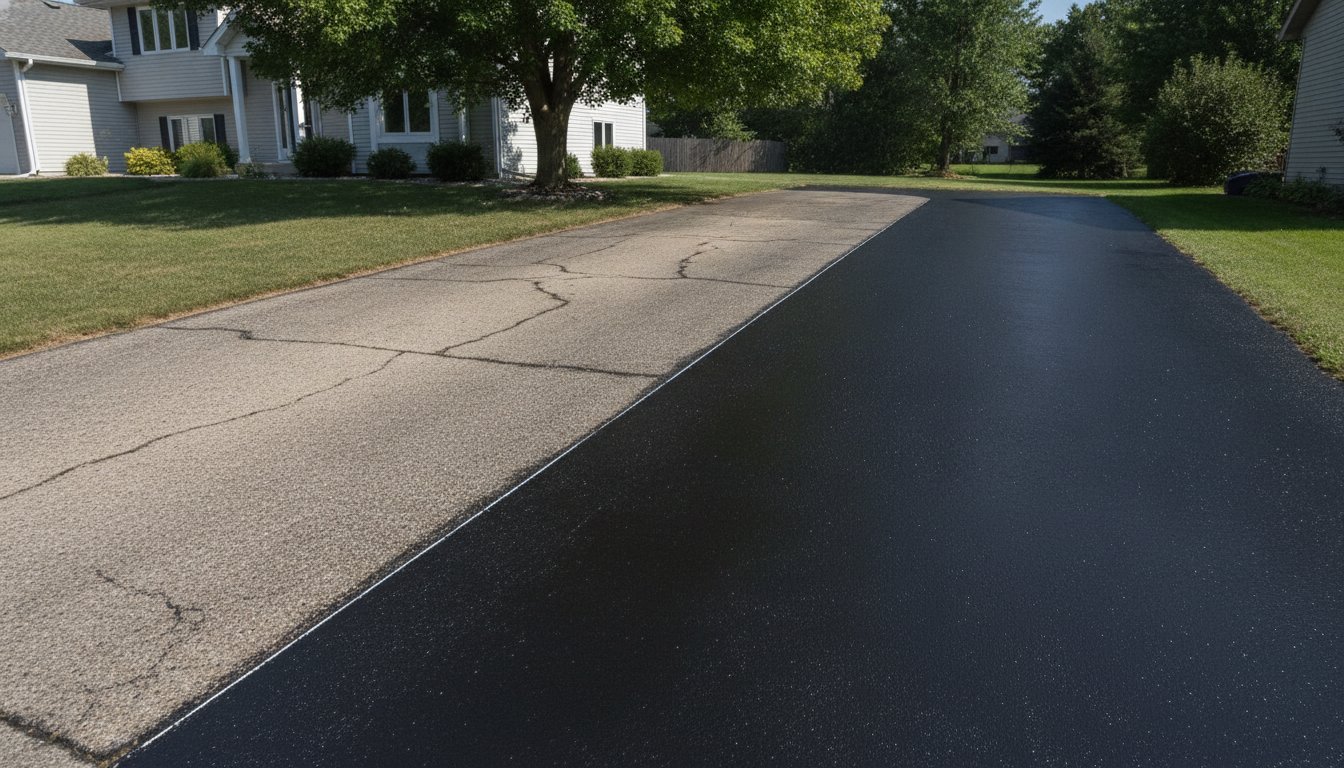
Retail stores often market "one-coat" sealers that promise easy application. These products frequently fail to survive a single Minnesota winter because they lack the specialized chemistry found in professional formulations. Professional sealers utilize proprietary additives that speed up the curing process and improve the bond with the existing asphalt. This is why a professional application typically lasts two to three years, whereas a DIY retail coat might need to be redone annually. When you evaluate the long-term return on your investment, the durability of professional-grade materials offers significantly better value and protection for your property.
Winter Maintenance Habits to Preserve Your Asphalt Armor
Your driveway's defense doesn't end once the sealant is dry. Maintaining that protective layer throughout the season is a critical part of winterizing your asphalt driveway minnesota. Many homeowners inadvertently damage their investment by using harsh chemicals or improper tools. Adopting a few specific maintenance habits helps extend the life of your sealcoat and prevents structural decay.
The "Salt Dilemma" is a primary concern for local property owners. Rock salt, or sodium chloride, is effective for melting ice, but it's aggressive toward asphalt. It works by lowering the freezing point of water, which forces more frequent freeze-thaw cycles within the pavement's pores. Each time the salt creates a brine, that liquid can penetrate deep into the bitumen binder. This corrosive interaction weakens the "glue" that holds your driveway together, leading to a brittle surface that eventually flakes away.
Chemical De-icers and Asphalt Health
The choice of melting agent determines the long-term health of your pavement. While sodium chloride is cheap, its chemical profile is the most damaging to unsealed or freshly sealed surfaces. For a safer approach, consider these alternatives:
- Calcium Chloride: This is effective at much lower temperatures than rock salt and is generally less corrosive to asphalt binders.
- Magnesium Chloride: This is a gentler melting agent that is often safer for surrounding vegetation and your pavement.
- Plain Sand: Sand provides immediate traction without any chemical reaction, making it the safest choice for the asphalt itself.
Smart Plowing and Shoveling
Physical damage from snow removal is another common pitfall. Metal shovel blades and low-hanging plow edges can scrape the surface, physically removing the protective sealcoat. We recommend using plastic-edged shovels for residential work. If you hire a plowing service, ask if they use poly-blades or if they can set their blade height to leave a tiny fraction of an inch of snow. This prevents the heavy steel from scarring the bitumen. You should also clear away organic debris like leaves and branches before the first accumulation. These materials trap moisture against the surface, which leads to localized rot or permanent staining. If your driveway has already suffered surface wear, you can schedule a professional inspection to assess the damage before spring.
Managing drainage is the final piece of the puzzle. When you're shoveling, avoid creating massive snowbanks directly on the edges of the pavement. As these banks melt during sunny days, the water flows directly into the seams where the asphalt meets the soil. This concentrated moisture is exactly what leads to the frost heaves and base saturation that destroy driveways from the bottom up. By pushing snow further back into the yard, you allow the meltwater to dissipate into the ground rather than saturating your driveway's foundation.
While you focus on the exterior, remember that total property stewardship also includes your home's thermal defense. To explore how high-performance insulation can further protect your investment from the winter chill, discover Third Coast Spray Foam and their specialized solutions.
Professional Winterization: Why Timing and Quality Matter
Many homeowners wait until the first snowflake falls to think about their pavement. By then, it's often too late. The "Minnesota Window" for effective maintenance is surprisingly narrow, typically closing by late October. While you might find a dry day in November, the ambient air temperature isn't the only factor at play. Ground temperature is the critical variable for material adhesion. For a sealant or crack filler to bond properly to the bitumen, the temperature must be 50°F and rising. If the asphalt is too cold, the material will sit on the surface rather than penetrating the pores, leading to premature peeling before the holidays even arrive.
Timing your project for September or October ensures the materials have adequate sunlight and warmth to cure. A professional application during this window provides a durable shield that can withstand the scraping of plows and the chemical assault of de-icers. At Seal Team LLC, we approach these unique challenges of the Twin Cities metro with a focus on long-term resilience. We understand that a botched application in the fall leads to a crumbling driveway in the spring. This is why we offer professional-grade solutions that come with the reassurance of local expertise and a commitment to quality that retail "bucket" products simply cannot match.
Selecting a Minnesota Asphalt Maintenance Contractor
Not all service providers use the same standards. When you're interviewing contractors for winterizing your asphalt driveway minnesota, ask specific questions about their mix design. A reputable professional will explain the ratio of solids to water and the types of polymer additives they use for cold-weather flexibility. Beware of "driveway gypsies" who travel through neighborhoods offering cheap, immediate service. These operators often use thinned-out materials that look dark and shiny for a week but provide zero structural protection against a Minneapolis winter. Local expertise in our specific weather patterns is vital for ensuring the job is done right the first time.
The Stewardship Approach to Pavement
We believe in reframing driveway maintenance as an investment in your property's value rather than just another chore. Proactive care is a form of stewardship. By investing in professional crack filling now, you're preventing the base saturation that leads to full pavement failure. Research shows that regular maintenance can extend a driveway's life from 15 years to nearly 30 years. This translates to thousands of dollars in long-term savings on replacement costs. For a deeper look at how to protect your investment, explore our sealcoating services Minnesota guide for full service details and 2026 property standards.
Secure Your Investment Before the First Frost
Taking a defensive stance against the elements is the most effective way to ensure your pavement survives until spring. We've explored how the expansion of freezing water can compromise your foundation and why selecting high-quality, flexible materials is essential for our climate. Success depends on acting while ground temperatures remain above 50 degrees. By winterizing your asphalt driveway minnesota homeowners can avoid the costly cycle of emergency repairs and maintain lasting curb appeal through the coldest months.
Seal Team LLC specializes in navigating Minnesota's harsh freeze-thaw climate with expert precision. We provide professional-grade rubberized crack filling and durable sealcoating solutions tailored for the unique needs of the Twin Cities. You can Get Your Free Winterization Estimate from Seal Team LLC to ensure your property receives the stewardship it deserves. We offer free estimates for Twin Cities homeowners, helping you make informed decisions about your pavement's future. Proper maintenance is a logical step toward long-term financial savings and a safer home environment.
Frequently Asked Questions
Is it too late to sealcoat my driveway in Minnesota once it hits November?
November is generally too late for successful sealcoating in our region. Proper application requires ground temperatures to be at least 50°F and rising for the sealer to bond correctly. By November, the asphalt is typically too cold, which prevents the material from adhering and causes it to flake off before the winter ends.
Can I use rock salt on a newly sealcoated driveway?
You should avoid using rock salt on newly sealcoated surfaces whenever possible. While the sealant provides a protective barrier, sodium chloride is highly corrosive and can prematurely break down the binder in the sealer. We recommend using sand for traction or calcium chloride for melting, as these are much gentler on your driveway's armor.
How long does professional crack filling last during a MN winter?
Professional hot-pour crack filling is designed to last several seasons, often surviving two to three years of extreme weather. Because the material is rubberized, it remains flexible enough to expand and contract during sub-zero nights. This elasticity is what keeps water from reaching the gravel base and causing structural failure.
What is the best temperature to apply asphalt sealer in the Twin Cities?
The magic number for application is 50°F and rising. This temperature ensures the chemistry of the sealer works as intended, allowing it to cure into a durable, waterproof shield. In our area, this temperature requirement usually limits the window for winterizing your asphalt driveway minnesota to the months between late May and early October.
Will sealcoating fix the potholes that formed last winter?
Sealcoating won't fix existing potholes. It's a preventative surface treatment designed to protect healthy asphalt, not a structural repair for failed pavement. Potholes indicate a collapse in the driveway's base or a deep section of asphalt, which requires professional filling or patching before any sealant can be applied.
What happens if it rains or snows immediately after sealcoating?
Precipitation immediately after application will likely wash away the uncured sealer and ruin the job. Most professional products need at least 24 to 48 hours of dry weather to cure and bond with the surface. If moisture hits the material before it sets, the bond fails, and the entire application will likely need to be redone.
How often should a Minnesota driveway be sealcoated for maximum protection?
We recommend sealcoating every 2 to 3 years to maintain a consistent defensive layer. This schedule provides the best protection against UV rays and chemicals without causing an unnecessary buildup of material. Staying on this cycle is a vital part of winterizing your asphalt driveway minnesota and can significantly extend the life of your pavement.
Is calcium chloride really safer than rock salt for my asphalt?
Calcium chloride is much safer for your asphalt than traditional rock salt. It's less corrosive to the bitumen binder and remains effective at melting ice even when temperatures drop to -25°F. While rock salt loses its effectiveness around 15°F, calcium chloride continues to work without the same level of chemical aggression toward your driveway.