Potholes aren't an inevitable part of every spring; they're actually a symptom of moisture management failure that you can control. If you're a property owner, you've likely felt that familiar dread when the snow melts, only to reveal a landscape of jagged craters and expensive-looking cracks. It's frustrating to watch your investment crumble year after year, especially when you're unsure if a DIY patch will hold or if you're facing a total replacement. Understanding how to prevent asphalt potholes is the difference between a driveway that lasts decades and one that becomes a financial drain.
We believe that pavement maintenance is a form of stewardship, and you're right to want a clear plan to protect your property. This guide will teach you the exact maintenance steps to stop potholes before they form, which can save you thousands on premature asphalt replacement. We'll explore the science behind why asphalt fails and provide a structured timeline for essential services like crack filling and seal coating. By the end, you'll have a professional strategy to extend your pavement's life and the confidence to stop reactive repairs for good.
Key Takeaways
- Understand the physics of pavement failure and how water expansion during freeze-thaw cycles destroys your driveway's foundation from the bottom up.
- Apply the 75% rule to your maintenance strategy, recognizing that a small crack today can quickly evolve into a massive pothole if it's left untreated.
- Master the essential steps of how to prevent asphalt potholes by focusing on moisture management and maintaining the surface's protective skin.
- Identify the ideal summer window for critical services like hot-pour crack filling and seal coating to ensure the best results for your investment.
- Shift from reactive repairs to proactive stewardship to extend your pavement's life and avoid the high cost of a full asphalt replacement.
Why Asphalt Potholes Form: The Role of Water and Freeze-Thaw Cycles
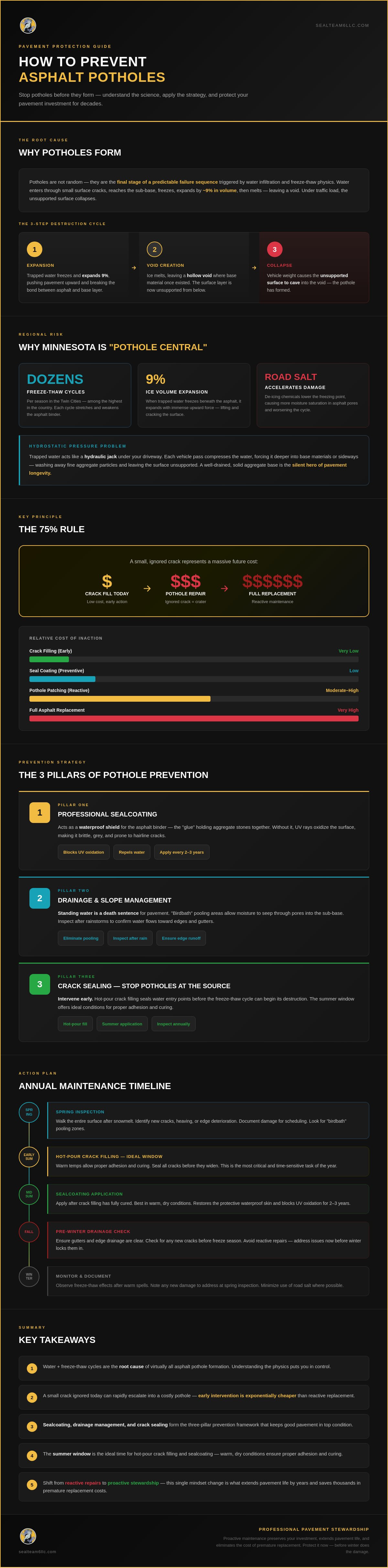
A pothole is more than just an unsightly nuisance; it's a structural failure of the pavement surface caused by the erosion of the underlying base layers. While it might look like a simple hole, it's actually the final stage of a long process of material degradation. To understand how to prevent asphalt potholes, you first have to understand the physics of water. Asphalt concrete is designed to be durable, but it isn't impenetrable. When small cracks appear, they act as funnels for rain and snowmelt. Once water reaches the sub-base, the "Expansion Physics" phase begins. When that trapped water freezes, it expands by approximately 9% in volume, exerting immense upward pressure on the asphalt.
This cycle of destruction follows a predictable three-step process:
- Expansion: Ice pushes the pavement upward, creating a slight bulge and weakening the bond between the asphalt and the base.
- Void Creation: As temperatures rise, the ice melts. This leaves a hollow space or "void" where the ice once occupied the soil and base material.
- Collapse: The asphalt surface is now unsupported. When a vehicle drives over this weak spot, the weight causes the pavement to collapse into the void, creating the pothole.
Learning how to prevent asphalt potholes starts with identifying these early signs of base-layer erosion before the surface collapses entirely. By intervening early, you protect the structural integrity of the entire driveway.
The Minnesota Factor: Why our climate is 'Pothole Central'
In the Twin Cities, our pavement faces a unique set of challenges. We experience some of the most frequent freeze-thaw cycles in the country, where temperatures can swing above and below freezing dozens of times in a single season. This constant movement stretches and weakens the asphalt binder. Additionally, the heavy use of road salt and de-icing chemicals lowers the freezing point of water, which can lead to even more moisture saturation in the pavement's pores. The freeze-thaw cycle is the primary catalyst for MN pavement failure.
The Hydrostatic Pressure Problem
Water doesn't just sit still under your driveway; it creates hydrostatic pressure. When moisture is trapped between the asphalt and a saturated aggregate base, it acts like a hydraulic jack. Every time a heavy vehicle rolls over a wet section of pavement, it compresses the water, forcing it deeper into the base materials or sideways into the surrounding asphalt. This "pumping" action washes away the fine particles in the aggregate base, leaving the surface layer with nothing to rest on. Maintaining a well-drained, solid aggregate base is the silent hero of pavement longevity.
The 3 Pillars of Asphalt Pothole Prevention
Effective pavement stewardship relies on a proactive mindset. If you want to master how to prevent asphalt potholes, you have to look at your driveway as a system that requires constant defense. This approach aligns with the industry standard of Pavement Preservation, which prioritizes keeping good surfaces in top condition rather than waiting for structural failure to occur. By focusing on three core areas, you can stop the cycle of decay before the first shovel of expensive replacement asphalt is ever needed.
Pillar 1: Professional Sealcoating as a Moisture Barrier
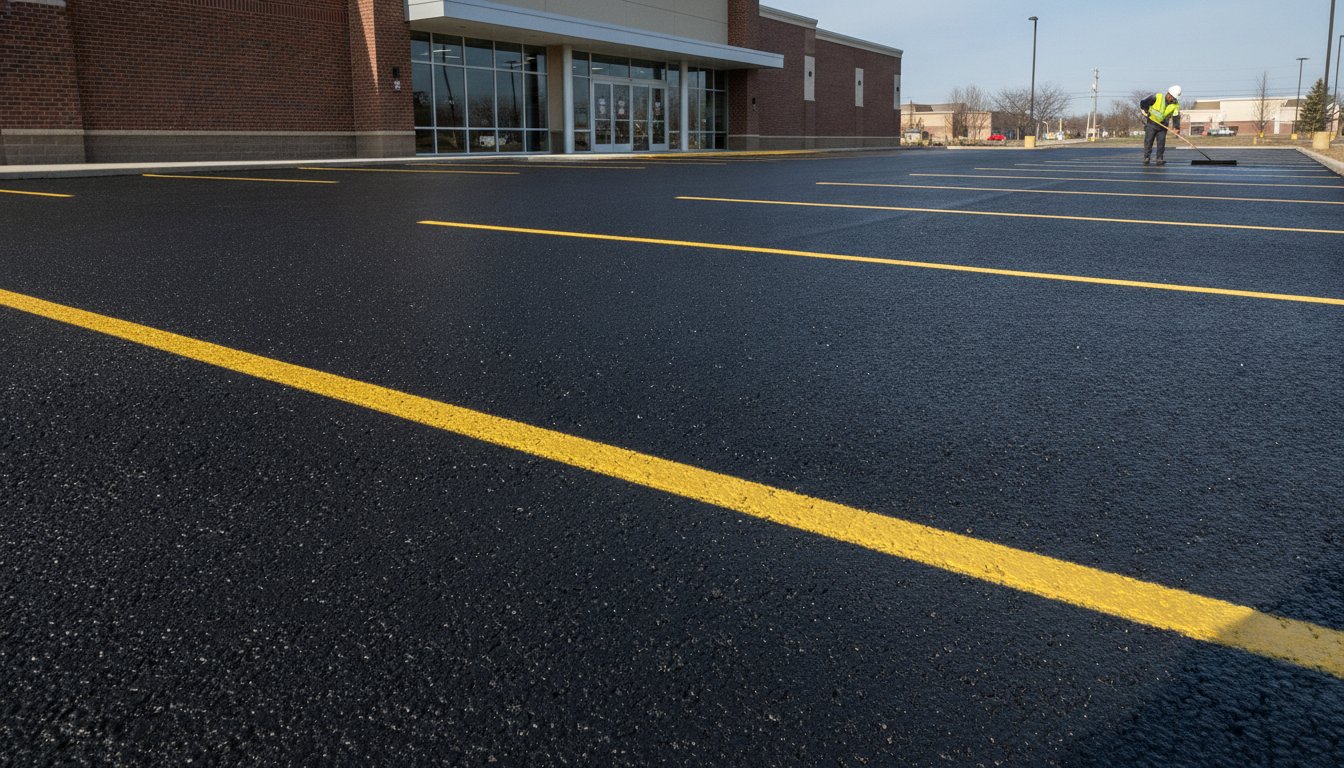
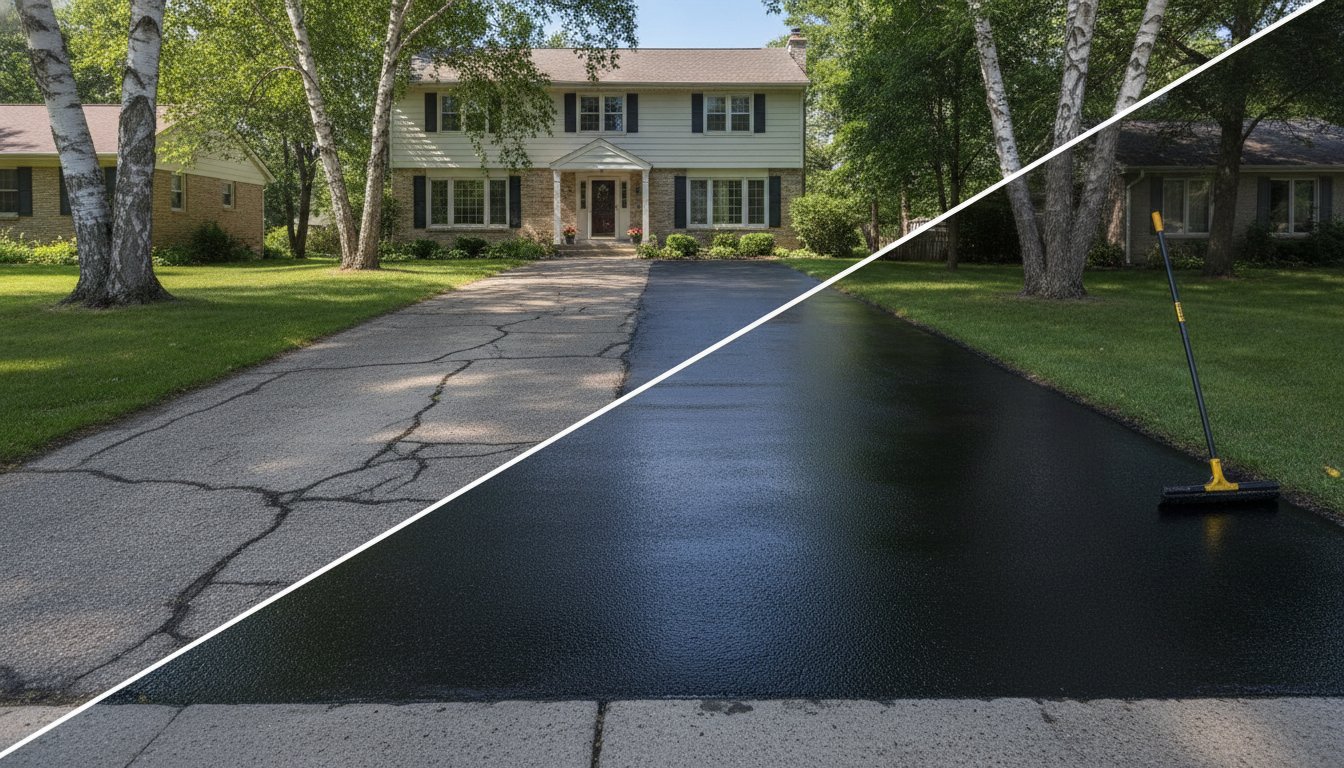
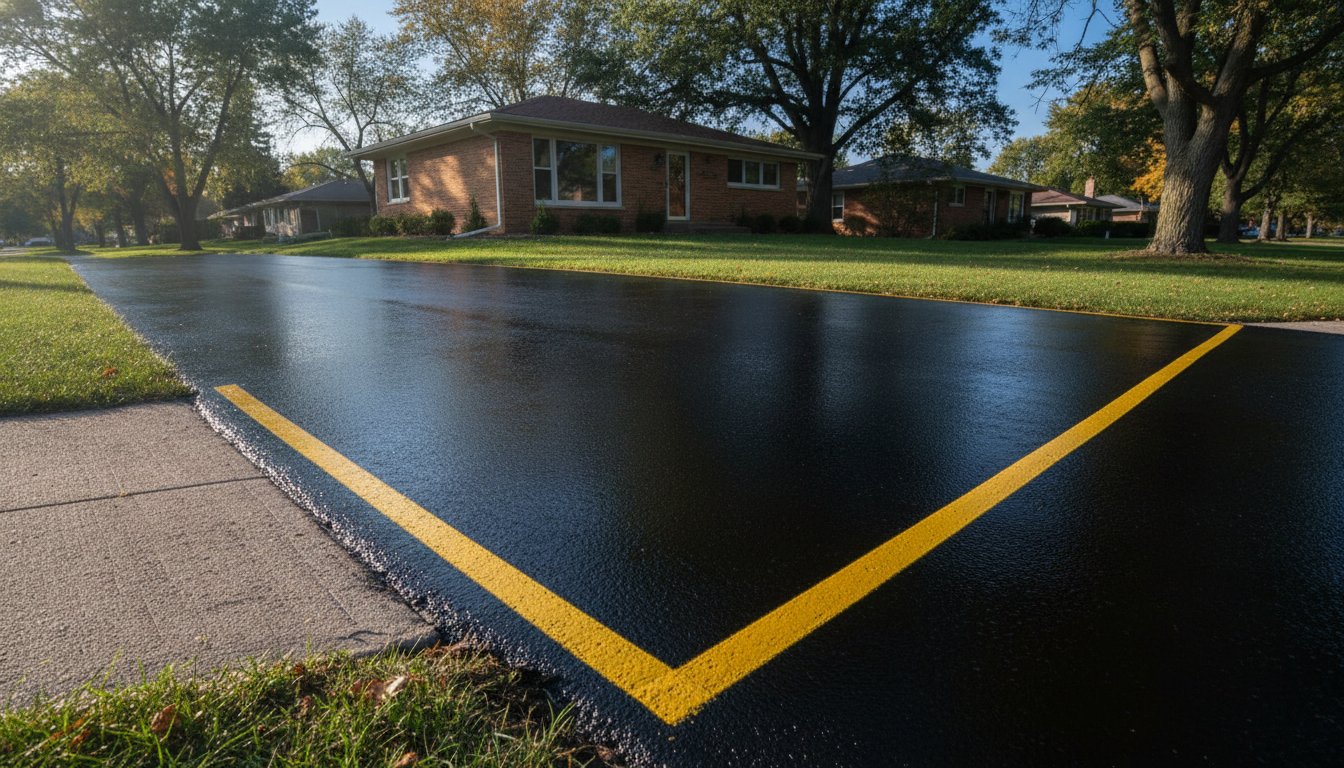
Sealcoating is your first line of defense against the elements. It acts as a waterproof shield for the asphalt binder, which is the "glue" that keeps the aggregate stones together. Without this protective skin, the sun's UV rays cause the surface to oxidize. This process makes the asphalt brittle, grey, and prone to the hairline cracks that eventually lead to craters. Maintaining this barrier is a core component of how to prevent asphalt potholes in harsh climates. For a deeper look at these protections, see our Sealcoating Services in Minnesota Guide. A fresh coat every few years ensures the binder stays flexible and water stays on the surface where it belongs.
Pillar 2: Proper Drainage and Slope Management
Standing water is a death sentence for pavement. When water pools in low spots, often called "birdbaths," it has more time to seep through the pores of the asphalt and into the sub-base. You should regularly inspect your driveway after a rainstorm to ensure water flows toward the edges or gutters. If you notice areas where water remains for hours, it's a sign that the slope has settled. Keeping your edges clear of overgrown grass and ensuring gutters don't dump directly onto the pavement will help move moisture away from the vulnerable foundation. A quick professional inspection can help identify these drainage issues before they compromise your driveway's structure.
Pillar 3: Regular Cleaning and Debris Removal
Debris removal is a simple but overlooked task that extends pavement life. Organic matter like leaves, dirt, and grass clippings trap moisture against the asphalt, creating a damp environment that accelerates rot. Even worse, oil and gas spills act as solvents. They literally dissolve the asphalt binder on contact, leaving behind soft spots that turn into potholes under the weight of a vehicle. You can protect your investment by following these simple steps:
- Sweep your driveway monthly to remove abrasive dirt and organic materials.
- Clean oil and gasoline leaks immediately using a mild detergent and water.
- Pull weeds that grow in the edges or small cracks, as their roots can exert enough pressure to widen openings.
These small acts of maintenance prevent the "open wounds" that allow the freeze-thaw cycle to take hold. A clean driveway isn't just about curb appeal; it's about preserving the structural integrity of your property.
Crack Sealing: Stopping Potholes Before They Start
Think of every crack in your pavement as an "open wound." Just as a small cut on your skin can lead to an infection if left untreated, a minor fissure in your driveway allows water to infiltrate the sub-base and begin the process of erosion. When you're looking for how to prevent asphalt potholes, crack sealing is your most effective and immediate tool. Industry data often points to the "75% Rule," which states that approximately 75% of unsealed cracks will eventually develop into potholes. A crack that's only 1/4 inch wide today can easily expand into a 12-inch wide pothole by next spring. This happens because the small opening provides the perfect entry point for the moisture cycles we've already discussed.
It's vital to distinguish between different types of damage. Superficial hair-line cracks are often part of the natural aging or "crazing" process, but any opening wider than a few millimeters requires professional attention. For a comprehensive look at the tools and materials used in this process, you can read our Expert Driveway Crack Filling Guide. Addressing these openings early is the only way to maintain the structural integrity of the pavement and avoid the much higher costs of a full resurfacing project.
Why Professional Crack Filling Beats DIY Tubes
Many property owners attempt to save money by using cold-pour tubes from a local hardware store. While these products might look like a fix, they lack the flexibility and bonding power of professional-grade materials. We use hot-applied rubberized sealant that's heated to over 350 degrees. This liquid sealant flows deep into the crack and bonds directly to the sidewalls. As it cools, it creates a watertight, flexible seal that expands and contracts with the pavement during our extreme temperature swings. Before application, we also perform "routing" or deep mechanical cleaning to remove dirt and vegetation. Without this step, the sealant will simply sit on top of the debris and peel away within a few months, leaving your driveway vulnerable once again.
Identifying 'Alligator Cracking' (The Pothole Precursor)
Not all cracks are created equal. If you see a series of interconnected cracks that look like the scales of an alligator, you're dealing with a sign of significant base failure. This happens when the aggregate base can no longer support the weight of traffic, usually due to long-term water saturation. Unlike linear cracks, alligator cracking cannot be fixed with simple filling; it often indicates that the pavement has reached the end of its functional life in that specific area. Alligator cracking is the final warning sign before a pothole forms. If you notice this pattern, it's a signal that your maintenance strategy needs to shift from prevention to more intensive structural intervention.
Your Annual Asphalt Maintenance Checklist for 2026
Consistency is the secret to pavement longevity. Instead of waiting for damage to appear, adopting a seasonal schedule ensures you're always one step ahead of the elements. This structured approach is the most reliable way to master how to prevent asphalt potholes without spending a fortune on emergency repairs. By breaking your maintenance into four seasonal phases, you can address minor issues before they compromise the sub-base of your driveway.
Spring: Assessing the Winter Damage
As the snow melts, your primary goal is to identify how the previous winter affected your pavement. Look closely for "heaving," which is when sections of the asphalt have been pushed upward by expanding ice underneath. You should also perform a thorough power wash to flush out accumulated road salt, sand, and chemical de-icers. These materials are abrasive; if they're left in the pores of the asphalt, they'll act like sandpaper under the weight of your tires. This is the ideal time to request a free estimate from a professional contractor to plan your summer repairs. Catching new fissures in April prevents them from becoming deep craters by July.
Summer: Proactive Protection Window
Summer provides the necessary climate for high-quality maintenance work. For professional sealcoating and hot-pour crack filling to bond correctly, temperatures generally need to stay between 50°F and 90°F. This warmth ensures the materials remain pliable and cure into a durable, watertight shield. We recommend scheduling a fresh coat of sealant every 2 to 3 years to replace the protective oils lost to UV oxidation. For a detailed look at long-term planning, our Driveway Preservation Services Guide offers a roadmap for multi-year care. Regular summer maintenance is the cornerstone of how to prevent asphalt potholes because it reinforces the surface's "skin" during the months of peak sun exposure.
Fall: The Final Crack Check
Before the first freeze hits, conduct a final walk-through of your property. Your objective is to ensure no "open wounds" remain. Any crack that developed over the summer will become a major problem once it's filled with freezing rain. Clear away fallen leaves and organic debris, as these trap moisture and can lead to localized rot. Ensuring your driveway is clean and sealed by late October is your best defense against the upcoming freeze-thaw cycles.
Winter: Safe Snow Removal
Winter maintenance is about damage control. When clearing snow, avoid using metal-edged shovels or heavy plows that can scrape and gouge the asphalt surface. Be mindful of your salt usage; while it's necessary for safety, excessive salt can accelerate the degradation of the asphalt binder. Use only what's required to keep walkways clear. If you're ready to start your 2026 maintenance plan, contact Seal Team LLC today for a professional evaluation of your pavement's health.
Professional Pavement Stewardship with Seal Team LLC
At Seal Team LLC, we view ourselves as diligent guardians of your property's long-term value. While many contractors in the industry focus on the expensive and disruptive end-stage of pavement life—total asphalt replacement—we specialize almost exclusively in the "Prevention Phase." This focus on seal coating and crack filling is a deliberate choice. We've seen how just a few years of neglect can lead to thousands of dollars in unnecessary paving costs. By focusing on these two critical services, we help you master how to prevent asphalt potholes before they ever require heavy machinery or massive reconstruction budgets. Our mission is to provide the stewardship necessary to ensure your initial investment in asphalt continues to serve you for decades rather than just a few seasons.
Choosing a professional assessment over a "wait and see" approach is the most logical way to manage your property. When you wait until a visible crater appears, you're already dealing with the advanced sub-base erosion and base-layer failure we've detailed in earlier sections. By partnering with us early, you're adopting a strategy rooted in foresight and practical science. We don't just apply a product; we offer a rationale for every step based on years of regional experience. We use high-grade professional sealants that are specifically formulated to remain flexible during our -30°F winters and durable during our 90°F summers. This level of material precision is essential for maintaining a watertight defense in the Midwest.
Why Local Expertise Matters in Minnesota
Our team understands the unique challenges faced by property owners in St. Paul and Minneapolis. From the heavy clay soils that trap moisture to the intense freeze-thaw cycles that characterize our region, we know exactly what your pavement is up against. This local awareness allows us to apply materials with precision, ensuring they bond correctly to the specific aggregate types used in our local roads. Working with a specialist who stands by their work in these harsh conditions provides a level of reliability that out-of-state franchises can't match. For business owners and property managers, we also provide specialized support to build a Commercial Asphalt Maintenance Plan that balances long-term durability with annual budget requirements.
Get Your Free Pothole Prevention Estimate
We believe in transparency and education, which is why our estimation process is entirely no-pressure. A knowledgeable local specialist will evaluate your pavement's current condition, identify potential vulnerabilities, and explain the "how" and "why" behind our recommendations. You'll receive a clear, practical plan to reinforce your driveway's defenses before the next season hits. This proactive care is the definitive answer to how to prevent asphalt potholes while keeping your property safe and attractive for the long haul. It's about honesty and results, not quick fixes. Protect your investment and contact Seal Team LLC today to schedule your professional evaluation and take the first step toward pavement longevity.
Secure Your Property’s Foundation Today
Pavement longevity isn't a matter of luck; it's the result of consistent, expert stewardship. By understanding the physics of water expansion and the critical role of surface integrity, you've already taken the first step toward avoiding costly replacements. Mastering how to prevent asphalt potholes requires a shift from reactive repairs to proactive preservation. Whether it's managing seasonal drainage or addressing small cracks before they compromise the sub-base, your actions today determine the lifespan of your driveway for years to come.
We specialize in navigating Minnesota's extreme freeze-thaw climate, providing professional-grade hot-pour crack filling that stands up to our local environment. Our team is here to help you move from frustration to foresight with a clear maintenance plan tailored to your specific needs. Stop potholes before they start—Get your Free Maintenance Estimate from Seal Team LLC. We offer these assessments for both residential and commercial properties throughout the region. You don't have to face the spring thaw with dread. With the right partner and a solid plan, you can enjoy a smooth, durable surface that enhances your property's value for the long haul.
Frequently Asked Questions
Can I prevent potholes by just filling them with gravel?
Filling a hole with gravel is a temporary measure that doesn't provide a structural bond or a waterproof seal. Gravel is highly porous, which means it allows water to continue reaching the sub-base and accelerating the erosion process. To effectively learn how to prevent asphalt potholes, you must use materials that create a permanent, watertight barrier, such as professional hot-pour crack filler.
How often should I sealcoat my driveway to prevent potholes?
We recommend sealcoating your driveway every two to three years to maintain its protective barrier. This frequency ensures the asphalt binder remains flexible and shielded from UV oxidation. If you wait longer, the surface becomes brittle and develops the small cracks that eventually lead to structural failure. Regular application acts as a necessary form of stewardship for your pavement investment.
Is it too late to prevent a pothole if I already see 'alligator' cracks?
Yes, alligator cracking usually indicates that the sub-base has already failed and a pothole is imminent. While sealcoating can improve the surface appearance, it won't fix the underlying structural instability. At this stage, the affected area typically needs more intensive intervention than standard maintenance to stop the collapse. It's a sign that the pavement's foundation has been compromised by moisture.
Does road salt actually cause potholes to form faster?
Road salt accelerates damage by increasing the frequency of freeze-thaw cycles on your pavement. Salt lowers the freezing point of water, which causes ice to melt and refreeze more often than it would naturally. This constant expansion and contraction puts immense stress on the asphalt binder and widens existing cracks much faster. Flushing your driveway in the spring is essential to remove these corrosive chemicals.
What is the best time of year in Minnesota to do pothole prevention work?
The ideal window for pavement maintenance in the Twin Cities is between late spring and early fall. Temperatures must consistently stay above 50°F for sealants and fillers to bond and cure correctly. Performing this work during the warm summer months is a critical part of how to prevent asphalt potholes before the winter freeze returns. Proper timing ensures the materials create a durable, long-lasting seal.
How much does professional crack filling cost compared to a pothole repair?
Professional crack filling is a preventative maintenance expense that costs significantly less than reactive pothole repair. Filling a linear crack prevents the sub-base erosion that leads to a total surface collapse. Once a pothole forms, the repair requires more material and more labor. It also often involves addressing a damaged foundation, which increases the total project cost compared to simple maintenance.
Can heavy trucks on my driveway cause potholes even if the asphalt is sealed?
Heavy vehicles can cause structural failure if the underlying sub-base is weak or saturated with water. While sealcoating protects the surface from UV rays and chemicals, it doesn't increase the load-bearing capacity of the driveway. If water has already bypassed the surface through unaddressed cracks, the weight of a truck can easily trigger a collapse. Maintaining structural support is just as important as surface integrity.