That dark spot under your car isn't just a cosmetic eyesore; it's a chemical solvent slowly dissolving the very foundation of your driveway. Most homeowners focus on the frustration of tracking oil into the house or the threat of an HOA fine. It's a valid concern because those stubborn black stains are nearly impossible to hide and immediately drag down your property's curb appeal. However, the real danger lies beneath the surface where petroleum products break down the binders that hold your asphalt together.
You'll learn why driveway oil stain protection is a matter of structural integrity rather than just aesthetics. We'll explain how professional sealcoating acts as a defensive barrier that keeps your asphalt firm and prevents it from softening into a crumbling mess. By understanding the science of chemical damage, you can avoid the high cost of premature replacement and the daily hassle of moving heavy mats. This guide covers the specific maintenance steps you can take to ensure your driveway remains uniform, clean, and durable for years to come through proactive stewardship.
Key Takeaways
- Understand why oil acts as a chemical solvent that actively dissolves the asphalt binder, leading to structural softening rather than just surface discoloration.
- Discover how sealcoating provides professional driveway oil stain protection by acting as a sacrificial barrier between harmful fluids and your property investment.
- Learn the proper "blot and absorb" technique for immediate spill response to minimize chemical penetration and preserve the integrity of the surface.
- See why Minnesota’s freeze-thaw cycles turn minor oil-softened spots into major potholes, making proactive maintenance a necessity for local homeowners.
Why Oil Stains are More Than a Cosmetic Issue
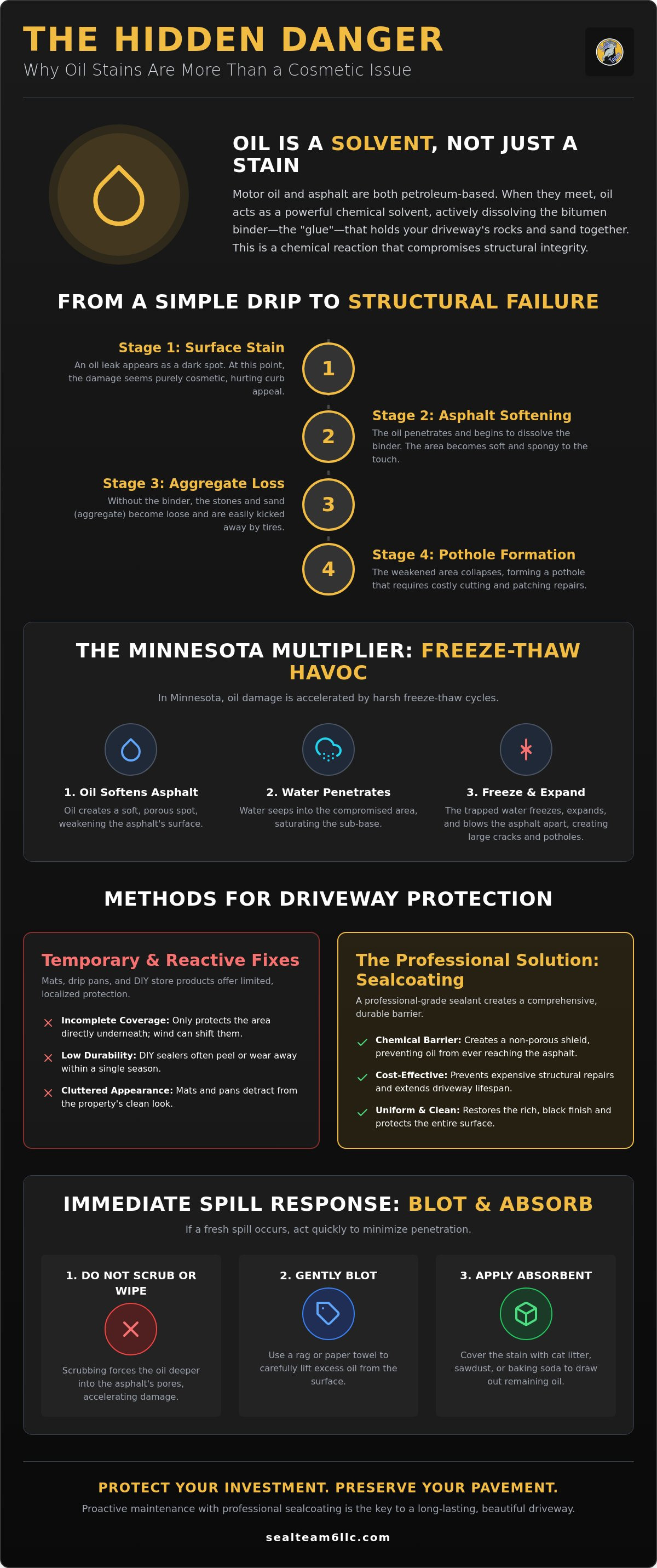
While many homeowners see a dark spot on their pavement as a visual nuisance, the reality is much more serious. Asphalt is a petroleum-based material. It consists of aggregate, such as rocks and sand, held together by a thick, sticky bitumen binder. Since both the asphalt binder and motor oil are derived from petroleum, they share a chemical affinity. This means that instead of just sitting on top, oil acts as a powerful solvent that begins to liquefy the glue holding your driveway together.
Asphalt degradation is a chemical reaction between motor oil and bitumen binder.
The Chemistry of Asphalt Decay
Motor oil penetrates the naturally porous surface of untreated asphalt with surprising speed. Once the oil reaches the bitumen binder, it starts to break down the bond between the individual stones. Without this binder, the aggregate becomes loose. If you've ever noticed a soft spot where an oil leak occurred, you're seeing the material literally dissolving. This is why Sealcoating is so vital; it provides the necessary driveway oil stain protection by sealing those pores. Older, graying driveways are especially vulnerable. As asphalt ages, it loses its natural oils and becomes more brittle and porous. This allows leaks to seep deeper into the structure almost instantly.
Long-Term Structural Risks
The damage rarely stays on the surface. If left untreated, oil can migrate through the entire thickness of the asphalt and saturate the gravel sub-base below. When the sub-base becomes contaminated, the driveway loses its load-bearing capacity. This leads to a predictable and expensive progression. What starts as a simple stain soon turns into a soft, spongy area. Eventually, the loose aggregate is kicked away by tires, leaving a pothole in its place. The cost of maintaining a clean surface is minimal compared to the expense of cutting out and replacing a large section of pavement that has suffered structural failure. Investing in consistent driveway oil stain protection is a matter of practical stewardship for your property investment.
Methods for Driveway Oil Stain Protection
Choosing the right method for driveway oil stain protection depends on whether you're managing a known leak or looking to defend the entire surface. Homeowners generally choose between physical barriers, which act as a localized defense, and chemical coatings that provide a broad, preventative layer. While both have their place in a maintenance routine, they serve very different roles in preserving your property's value and structural health.
DIY products found at big-box stores often promise a quick fix. These "stain blockers" are usually thin, acrylic-based liquids designed for spot treatment. While they offer some temporary resistance, they lack the durability of professional-grade materials. They often peel or wear away within a single season, especially under the weight of a heavy vehicle. For a homeowner, the risk of a DIY failure often outweighs the initial savings, as a botched application can be difficult to correct and may not stop oil from reaching the sensitive bitumen binder.
Physical Barriers: Mats and Drip Pans
Silicone mats or felt-backed protectors are useful for vehicles with known, persistent drips. They catch fluid before it touches the asphalt, which is helpful for older cars or temporary guests. However, these barriers have significant drawbacks. Wind can shift them, they often look cluttered, and they only protect the specific area where the car is parked. If you park slightly to the left, the protection is gone. You also have to manage the cleaning and disposal of oil-soaked materials properly to avoid environmental contamination or tracking oil into your home on your shoes.
Surface Sealants: The Invisible Shield
For a more permanent solution, professional-grade sealers create a non-porous top layer that prevents oil from ever reaching the asphalt's foundation. This is widely considered cost-effective preventative maintenance because it stops chemical damage before it starts. Modern sealants fill the tiny surface voids that naturally occur in asphalt, ensuring that oil sits on top of the sealer rather than soaking into the pavement.
In our local climate, the stakes are higher than in other regions. A stain isn't just an eyesore; it's a gateway for water. When you combine oil-induced softening with intense freeze-thaw cycles, the asphalt crumbles much faster. Sealcoating services Minnesota property owners rely on use higher solids content and polymer additives designed for these extremes. If you want to ensure your asphalt remains resilient against both chemicals and the elements, investing in a professional seal coating application is the most reliable way to achieve long-term defense.
How Sealcoating Acts as a Chemical Barrier
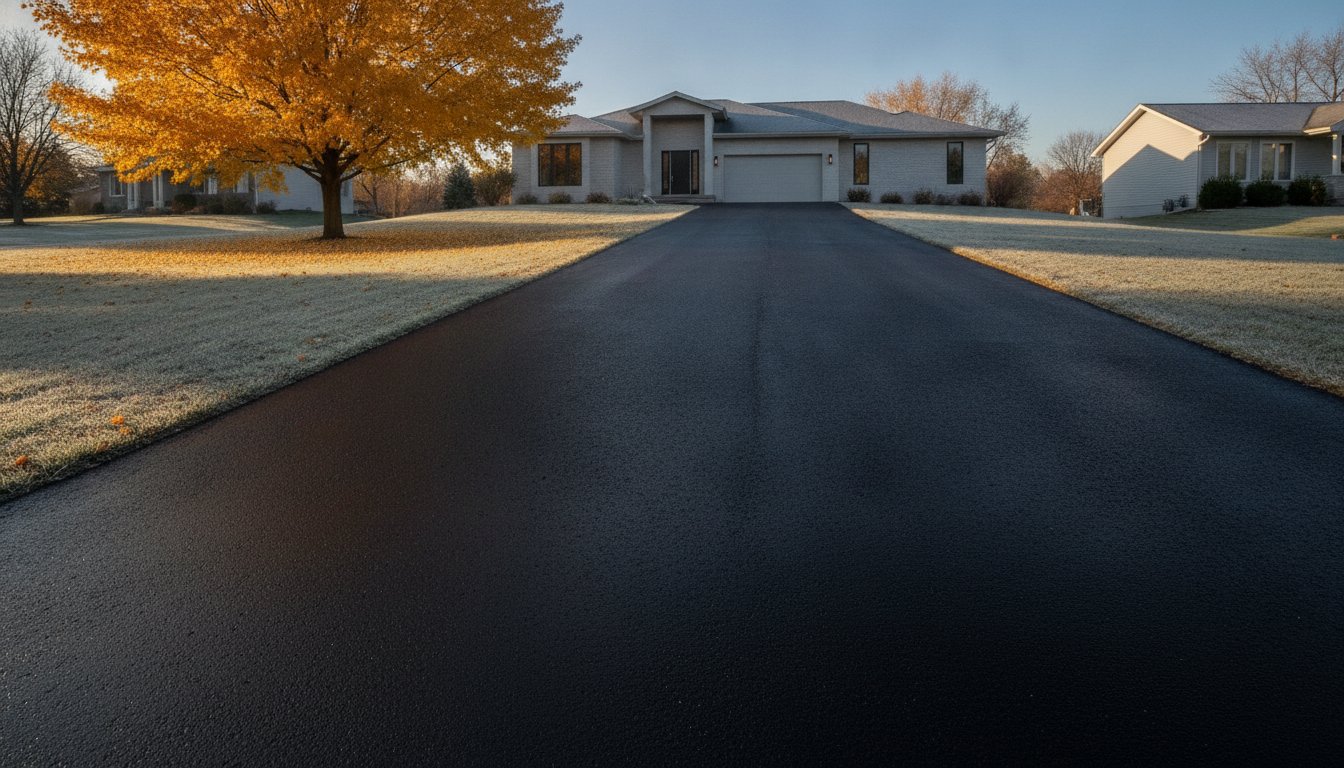
There is a common misconception that sealcoating is simply a cosmetic "black paint" for your driveway. While it does provide a clean, uniform look, its primary function is to serve as a high-performance chemical shield. Unlike a simple stain that just colors the surface, professional-grade sealcoating creates a physical and chemical separation between automotive fluids and the asphalt binder. This distinction is critical for effective driveway oil stain protection because hiding a stain does nothing to stop the underlying bitumen from dissolving.
Closing the Pores of Your Pavement
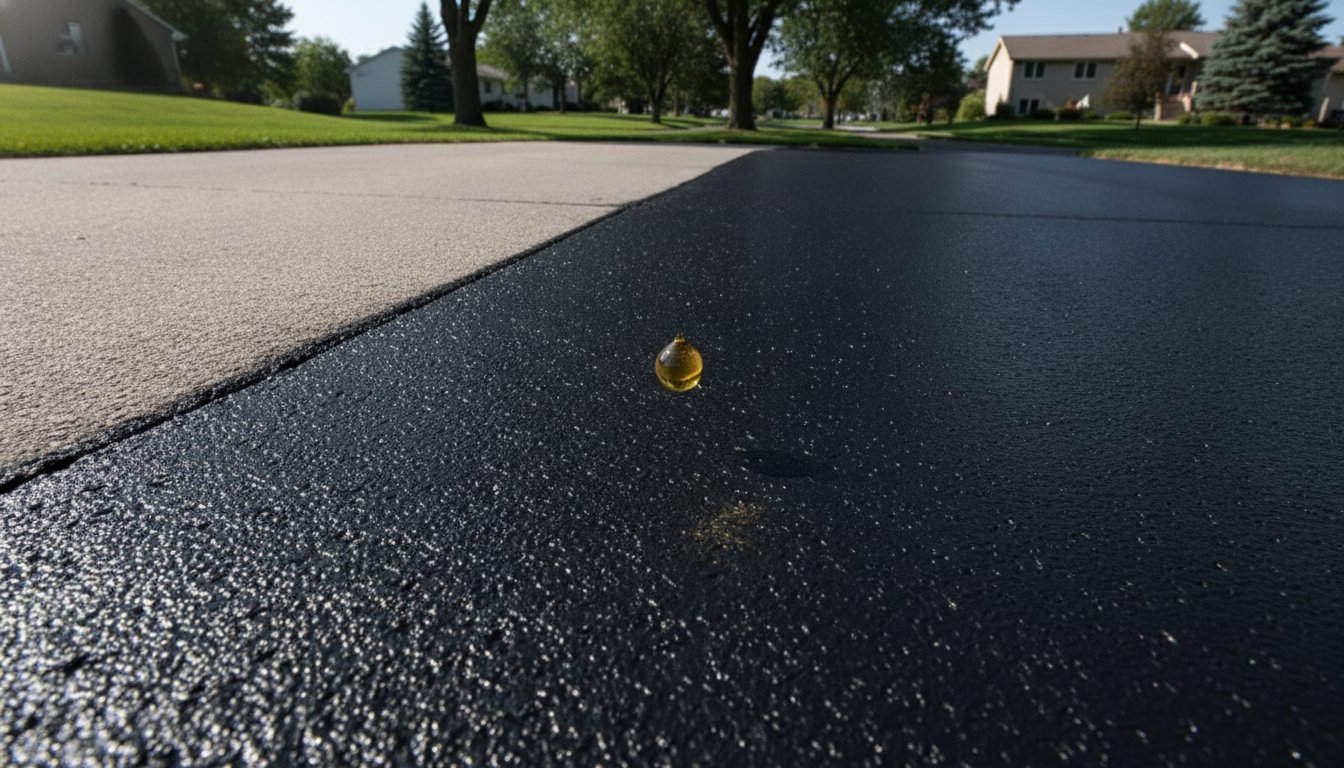
At a microscopic level, new or untreated asphalt looks much like a stiff sponge. It is full of tiny voids and pores that are ready to soak up any liquid that hits the surface. When motor oil or gasoline enters these pores, it travels deep into the structure where it cannot be easily cleaned. Sealcoating works by flowing into these microscopic gaps and smoothing out the texture of the pavement. This creates a non-porous surface where oil spills are forced to sit on top rather than being absorbed. A smoother surface doesn't just look better; it makes it possible to wipe up a spill with an absorbent cloth before any permanent damage occurs. Achieving this level of protection requires a uniform, gap-free application that only professional equipment can provide.
Sacrificial Wear Layers
The most helpful way to view sealcoating is as a sacrificial wear layer. It is designed to take the brunt of chemical exposure, road salt, and harsh weather so that your expensive asphalt doesn't have to. Because this layer is intended to wear down over time, maintaining a renewal cycle of every two to three years ensures the barrier remains intact. This proactive approach is a vital part of Oil Spill Prevention and environmental stewardship for your property. By keeping fluids on the surface, you prevent them from leaching through to the sub-base or the surrounding soil. This layer also provides essential asphalt sun damage protection. UV rays normally dry out the bitumen binder and make it brittle; however, a well-sealed driveway remains flexible. A flexible surface is much more resistant to the hairline cracks that typically allow oil and water to begin their destructive work.
Actionable Steps: What to Do When a Leak Occurs
Even with the most meticulous maintenance, a guest's car or a failed gasket can leave an unexpected mess. When you spot fresh oil, your primary goal is to limit the contact time between the chemical and your asphalt. This immediate response is the most effective form of driveway oil stain protection you can perform yourself. The golden rule is to blot the spill with a rag or paper towel rather than scrubbing. Scrubbing forces the oil deeper into the pavement's texture, making it significantly harder to remove later.
For bulk oil absorption, follow these steps:
- Apply a generous layer of clay-based kitty litter over the entire spill.
- Use your shoe to ground the material into the stain, which increases surface contact.
- Allow the absorbent to sit for at least 12 to 24 hours to draw the fluid out of the pores.
- Sweep up and dispose of the saturated material according to local environmental regulations.
While it is tempting to reach for industrial strength cleaners, many contain high concentrations of citrus or petroleum solvents. These chemicals can strip away the protective sealcoat you've worked hard to maintain. Stick to mild detergents that break up oil without attacking the surface layer. If a stain persists after a gentle cleaning, it is a sign that the oil has moved beyond the surface and may require a more specialized approach. Consistent driveway oil stain protection requires knowing when to clean and when to call for help.
The 24-Hour Rule for Oil Spills
Speed is your best ally in preservation. Within the first 24 hours, most of the oil remains near the surface. As temperatures rise, the oil becomes less viscous and wicks deeper into the pores. Catching it early with a simple wash of warm water and dish soap can prevent a permanent shadow. If the stain has already set and created a dark, unsightly blemish, you may need to consider driveway rejuvenation services to restore the surface appearance and seal the area against further decay.
Evaluating the Damage
Not all stains are equal. To determine if the damage is structural, perform the "Thumbnail Test." Try to press your thumbnail into the stained area with firm pressure. If the asphalt feels soft, mushy, or leaves an indentation, the binder has already been compromised. A mere surface shadow is a cosmetic issue; structural softening is a repair issue. If you see oil pooling near existing damage, you must fix driveway cracks immediately. This prevents the oil from bypassing the asphalt entirely and saturating the soil underneath, which can lead to localized sinking and costly sub-base repairs.
If you're dealing with persistent leaks or a softening surface, it's time to consult with a specialist about professional seal coating to restore your driveway's defensive barrier.
Protecting Your Minnesota Driveway for the Long Haul
In states like Minnesota, a driveway is more than just a place to park your car; it's a structural component of your property that faces some of the harshest environmental stressors in the country. While we've established how oil acts as a solvent that dissolves asphalt binder, the damage reaches a critical level when combined with our local weather patterns. Effective driveway oil stain protection is about more than keeping the surface clean. It's a necessary form of stewardship that prevents the rapid decay occurring when chemical damage meets the brutal winter freeze.
The Minnesota Factor: Oil + Ice = Potholes
When motor oil softens the bitumen binder, the asphalt becomes spongy and porous. In the Twin Cities, this creates a perfect entry point for moisture. During the spring thaws and winter refreezes, water trapped inside these oil-weakened spots expands with tremendous force. This expansion pushes the already loose aggregate apart, turning a simple surface stain into a deep, crumbling pothole in a single season. Road salt compounds this issue by lowering the freezing point of water, which significantly increases the number of freeze-thaw cycles the pavement must endure. This is why local homeowners require a higher grade of protection to avoid premature structural failure and the high costs associated with it.
Building a Maintenance Routine
Diligence in property maintenance involves more than just reacting to problems as they appear. It requires a predictable schedule of inspections and professional care. Establishing a routine for re-sealing every two to three years ensures that the sacrificial layer remains thick enough to repel both oil and water. The return on investment for driveway preservation services is significant when compared to the total cost of a full driveway replacement. By investing in preventative care today, you're effectively deferring a major paving bill for years or even decades.
Maintaining consistent driveway oil stain protection through professional sealcoating and crack filling is the most logical path for any property owner. It preserves your home's curb appeal, protects the underlying structural integrity, and ensures that your asphalt remains a durable asset rather than a liability. Proactive care is always more affordable than reactive repair.
If you're ready to shield your pavement from chemical damage and the elements, contact Seal Team LLC today for a free estimate on protecting your asphalt investment.
Secure Your Pavement Against Chemical Decay
Protecting your driveway requires more than just catching a few drips; it's about preserving the chemical bond that holds your pavement together. You've learned that motor oil acts as a solvent that liquefies asphalt binder, leading to soft spots and eventual potholes. By prioritizing driveway oil stain protection through professional sealcoating, you're investing in a durable barrier that stands up to both automotive fluids and the harsh Minnesota climate. This proactive stewardship is the most effective way to prevent the crumbling that occurs when oil-softened asphalt meets winter ice.
Our team specializes in Minnesota's extreme environmental stressors, using professional-grade, chemical-resistant sealants to ensure your asphalt remains resilient year-round. Don't wait for a minor leak to become a major structural failure. We offer free estimates for both residential and commercial properties to help you build a sensible maintenance plan that delivers long-term value. Get a Free Estimate on Professional Sealcoating & Protection to safeguard your property investment today. Taking these small steps now ensures a clean, uniform surface and peace of mind for years to come.
Frequently Asked Questions
Can sealcoating completely prevent oil stains?
Sealcoating provides substantial driveway oil stain protection by creating a non-porous barrier, but it doesn't make the surface completely stain-proof if spills are ignored. The sealer prevents the oil from reaching the bitumen binder immediately. This gives you a critical window of time to clean the spill before chemical penetration occurs. Think of it as a defensive layer that requires your active cooperation to be fully effective.
How do I remove an old oil stain before sealcoating?
Old stains must be treated with a heavy-duty degreaser and a stiff brush to remove as much surface residue as possible. Once the area is clean, a specialized oil spot primer is applied to ensure the new sealcoat adheres properly. If you skip this step, the new sealer will peel off the oily area within weeks. This preparation is vital for maintaining the integrity of the entire protective layer.
Is it worth sealcoating a driveway that already has oil spots?
It's absolutely worth sealcoating a driveway with existing spots to stop the chemical softening from spreading deeper into the asphalt. While the sealer will help hide the visual blemish, its real value is in preventing water and road salt from entering the compromised area. By treating the spots and applying a fresh coat, you're effectively halting the progression toward a full-scale pothole.
Will a driveway mat damage my asphalt over time?
Driveway mats generally don't cause direct chemical damage, but they can trap moisture and fine grit against the surface. This trapped moisture can lead to localized discoloration or minor surface wear if the mat isn't moved and cleaned periodically. While they're useful for catching drips, they aren't a substitute for the comprehensive driveway oil stain protection provided by a high-quality sealcoat.
How often should I sealcoat my driveway in Minnesota for the best protection?
For residential properties in Minnesota, we recommend a fresh sealcoat application every two to three years. This frequency is necessary to combat our intense freeze-thaw cycles and the heavy use of road salt during winter. Regular maintenance ensures the sacrificial layer stays thick enough to repel automotive fluids and prevents the underlying binder from becoming brittle and prone to cracking.
Can I use pressure washing to remove oil from my driveway?
Pressure washing can be effective for removing surface oil, but you must use caution to avoid damaging the asphalt itself. High-pressure streams can strip away the protective sealer or even dislodge the aggregate if the pressure is too high. It's best to use a wide-angle nozzle and keep the wand moving to prevent focused pressure from carving into the softened pavement.
Does sealcoating make the driveway slippery when wet?
A standard sealcoat application can be slippery when wet, which is why professional mixes include silica sand for added traction. This additive creates a slip-resistant texture that is safe for walking and driving even during heavy rain or snow. Using a professional service ensures that the balance of sealer and aggregate is correct, providing safety without compromising the defensive qualities of the coating.
What is the best household product to clean up a fresh oil leak?
Dawn dish soap and warm water are the most effective household tools for managing a fresh spill. The soap is designed to break down grease and oil molecules, allowing you to lift the fluid from the surface before it has a chance to soak in. Always blot the area with a rag first to remove the bulk of the oil before applying the soap and water solution.